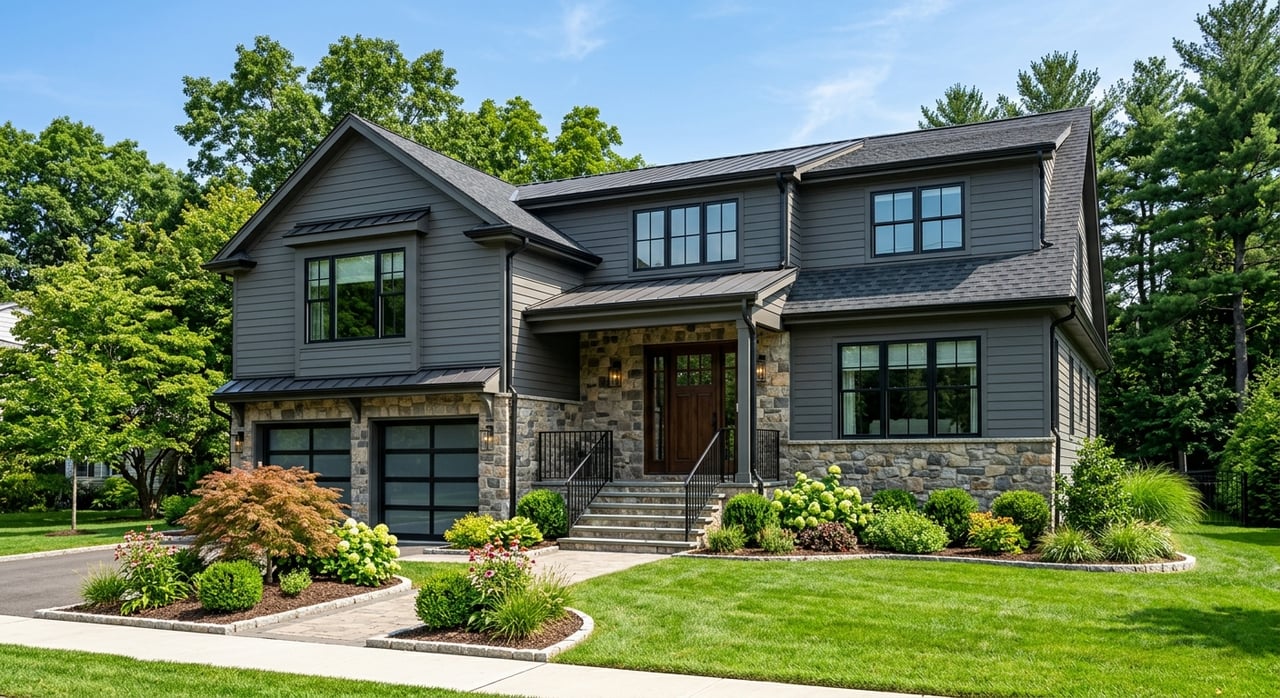
Thinking about buying in West Bend? One of the biggest surprises for many buyers is that West Bend does not fit into one simple neighborhood label. Instead, you will find a mix of historic in-town blocks, newer condo and apartment communities, suburban growth areas, and outer-edge pockets that feel more open and less gridded. If you want to match your budget, home style, and daily routine to the right part of the city, this guide will help you sort through the options. Let’s dive in.
Why West Bend Feels Different
West Bend works more like a collection of housing pockets and corridors than a single, uniform neighborhood map. City planning materials show a wide mix of single-family, two-family, multi-family, mixed-use, and business districts, which helps explain why buyers often describe the city by area and home type instead of one broad neighborhood identity.
That variety matters when you start your search. A home near the historic core may offer a very different layout, lot size, and maintenance profile than a newer place on the south or east side. In practical terms, West Bend gives you several distinct ways to live within one city.
West Bend also sits in an interesting price position within Washington County. Census data show a median owner-occupied home value of $263,100 in the city, compared with $344,800 countywide, which suggests a relatively more accessible city market within a larger county that includes more rural and higher-value housing.
West Bend Market Snapshot
Buyers should know that homes can move quickly here. A 2025 county market analysis found that in 2024, single-family resale closings in West Bend averaged 15 days on market at a median price of $348,183, while duplex, townhome, and condominium resales averaged 19 days at a median price of $241,141.
That pace means you need to understand your priorities before the right listing appears. If you already know whether you want historic character, newer finishes, lower maintenance, or more elbow room, you can make faster and more confident decisions.
Historic Downtown And Main Street Homes
What downtown housing looks like
West Bend’s downtown historic district is centered on Main Street along the Milwaukee River and spans about four blocks. The area includes around 60 historic buildings, and the architecture ranges from Italianate and Queen Anne to German Renaissance Revival, Classical Revival, Period Revival, and even some 1940s to 1960s Contemporary examples.
That means downtown is not a one-style district. If you are drawn to older architecture, you can expect a true mixed-era setting with varied facades, forms, and details rather than a neighborhood where every home looks alike.
Who downtown may suit
Downtown can appeal to buyers who want an in-town setting tied closely to daily conveniences. The historic district still functions as a working downtown with restaurants, taverns, specialty shops, a hardware store, and a restored theater woven into the area.
If you value being close to activity and appreciate older buildings with personality, downtown West Bend is worth a close look. You may trade off newer floor plans or larger lots, but you gain proximity to the city’s central core and a strong sense of place.
Barton And Older North River Homes
Barton’s early-home character
On the north side, the Barton Historic District centers on Barton Avenue and covers a six-block area with 53 modest homes and businesses. Much of Barton developed between 1840 and 1870, with Greek Revival, Italianate, and Gothic Revival styles, plus later Bungalow and Craftsman influences.
In everyday buyer terms, Barton tends to mean compact, older homes with practical scale. You may see clapboard exteriors, gable roofs, and bungalow-style massing that feel different from newer subdivision housing.
What buyers should expect here
If you like established streets and older homes with simpler footprints, Barton may fit your search. These homes may offer charm and a distinctive look, but buyers should also be ready for the realities that often come with older in-town housing, such as more variation in layout and updates from one property to the next.
This area can be a strong fit if character matters more to you than having the newest finishes. It is less about uniformity and more about finding the right house on the right block.
Center-City Historic Residential Blocks
Beyond downtown and Barton, West Bend also has central historic residential blocks identified in city survey materials, including the area bounded by Walnut Street, 7th Street, Poplar Street, and the west side of 10th Street. Property records in this part of the city show older homes in styles such as Greek Revival and Queen Anne.
For buyers, that often means two-story forms, brick or cream-brick walls, porches, gabled-ell shapes, and occasional features like turrets. These blocks can offer some of the most traditional in-town housing character in West Bend.
If you enjoy established city streets and older architecture, this part of West Bend deserves attention. It can be a good match for buyers who want a home with visual detail and a classic neighborhood feel.
Newer Condos, Apartments, And Infill Areas
Where newer housing is concentrated
West Bend’s newest housing is concentrated in a few clear corridors rather than spread evenly across the city. Recent city materials highlight Eisenbahn Village, a 54-unit ranch-style condominium community on the southeast side, along with The District, a 177-unit market-rate apartment project with river views and direct Riverwalk and downtown access, and The Emree, a 105-unit garden-style apartment project near the Eisenbahn State Trail and downtown.
Taken together, these projects show an important pattern. In West Bend, newer housing often means attached, mixed-use, or amenity-driven options rather than only brand-new detached single-family homes.
Why this matters for buyers
If low-maintenance living is high on your list, these newer pockets may stand out. Ranch-style condos can appeal to buyers who want easier upkeep, while newer apartment communities show how much of the city’s recent housing growth has focused on convenience, location, and shared amenities.
There is also a near-core redevelopment corridor planned from Schmidt Road to Water Street with about 200 new owner-occupied units, including single-family homes, duplexes, and townhomes. That is a useful clue for buyers because it points to a growing mix of infill and missing-middle housing near the city core.
South And East Growth Corridors
On the east and south edges of West Bend, buyers will find more of the city’s suburban-style growth. The city has posted that new single-family development was approved north and east of Daisy and Clearview Drives, and Lakewood Farms was approved as a 97-lot subdivision northeast of County Highway NN and 18th Avenue.
These areas are the best examples of newer detached-home living in West Bend. If you want a more current floor plan, newer materials, and a subdivision setting, the south and east growth corridors are likely to be the most relevant part of your search.
This option often works well for buyers who prefer a more predictable housing style and lower near-term update needs. Compared with older in-town homes, these neighborhoods may feel more uniform in design and layout.
Outer-Edge Areas With More Open Feel
West Bend’s extended planning area includes agricultural, open-space, recreational, and surface-water uses around the city edge. Planning maps show fringe corridors and names such as CTH Z, CTH NN, CTH D, Paradise Drive, Rusco Road, Cedar View Road, and areas around Big Cedar, Little Cedar, Silver, Barton Pond, and Paradise Valley.
By comparison with the historic core, these outer-edge areas are the parts of West Bend most likely to feel more open, less gridded, and more car-oriented. They may appeal to buyers who want extra breathing room while still staying connected to the city.
The Eisenbahn State Trail also runs through the heart of West Bend and is one of the area’s major recreation amenities. For buyers looking for a semi-rural feel without giving up city services, trail-adjacent and open-space-fringe homes may be the best fit.
How To Match Home Style To Your Lifestyle
West Bend tends to offer three broad tradeoffs for buyers. Older central neighborhoods often provide more character and better walkability to the core. Newer south and east corridors often offer newer floor plans and lower-maintenance living. Outer-edge areas often provide more space and a quieter feel.
Your daily routine can help narrow the choice. Census data show a mean commute of 25.9 minutes, so many households are balancing neighborhood feel, lot size, and upkeep against car-based travel and day-to-day convenience.
A simple way to think about it is this:
- Choose historic central areas if you care most about character and being closer to the city core.
- Choose newer condo or subdivision pockets if you want easier maintenance and more modern layouts.
- Choose outer-edge areas if you want more open surroundings and a less compact setting.
What Smart Buyers Should Do First
Before you tour homes, define what matters most to you in practical terms. Decide whether your top priority is architectural character, a newer layout, low maintenance, lot size, or easier access to downtown and trails.
Then look at West Bend through that lens instead of treating every listing the same. In a fast-moving market, clarity gives you an advantage.
If you want help sorting through West Bend’s historic blocks, newer growth corridors, condos, or edge-of-city options, Craig Kasten can help you compare neighborhoods, understand the housing mix, and move quickly when the right opportunity comes up.
FAQs
What kinds of neighborhoods are in West Bend, Wisconsin?
- West Bend includes historic downtown and center-city blocks, older north-side areas like Barton, newer condo and apartment pockets, suburban-style south and east growth corridors, and outer-edge areas with a more open feel.
What home styles can buyers find in West Bend?
- Buyers can find a wide range of home styles, including Greek Revival, Italianate, Queen Anne, Gothic Revival, Bungalow and Craftsman homes, ranch-style condos, newer detached subdivision homes, and mixed-use or amenity-driven attached housing.
Are homes in West Bend selling quickly?
- Yes. A 2025 county market analysis reported that 2024 single-family resales in West Bend averaged 15 days on market, while duplex, townhome, and condo resales averaged 19 days.
Where should buyers look for newer homes in West Bend?
- Buyers looking for newer housing should pay close attention to the south and east sides, where recent single-family development has been approved, along with newer condo and apartment communities in key corridors.
Are there lower-maintenance housing options in West Bend?
- Yes. West Bend has newer attached and lower-maintenance options, including ranch-style condominiums and apartment communities near downtown, the Riverwalk, and the Eisenbahn State Trail.
Which parts of West Bend may feel more open or semi-rural?
- Outer-edge areas near corridors such as CTH Z, CTH NN, CTH D, Paradise Drive, Rusco Road, and Cedar View Road, along with areas near local lakes and ponds, are the most likely to feel more open and less gridded than the city core.
Is West Bend mostly single-family housing?
- Census data show that 62% of West Bend’s housing stock is single-unit, but the city also has a meaningful mix of two-family, multi-family, mixed-use, and newer attached housing types.
How can buyers choose the right part of West Bend?
- Start by ranking your priorities, such as character, maintenance level, lot size, commute, or access to downtown and recreation, then focus on the areas of West Bend that best match those needs.