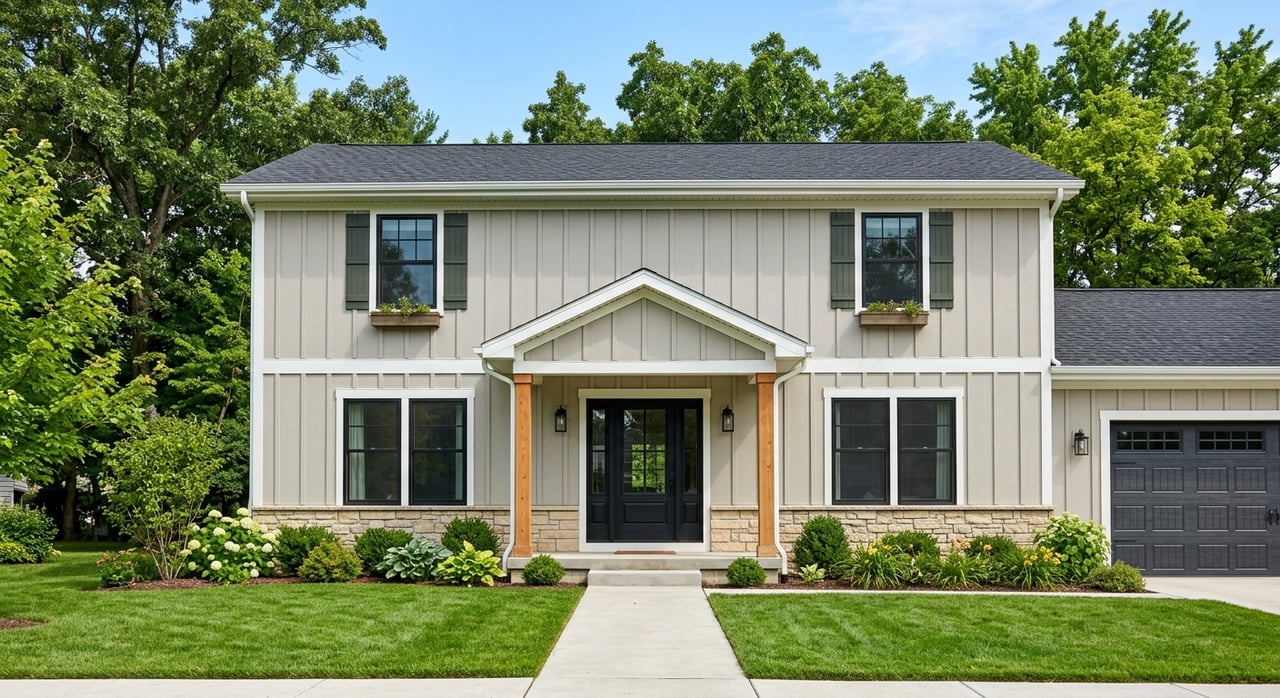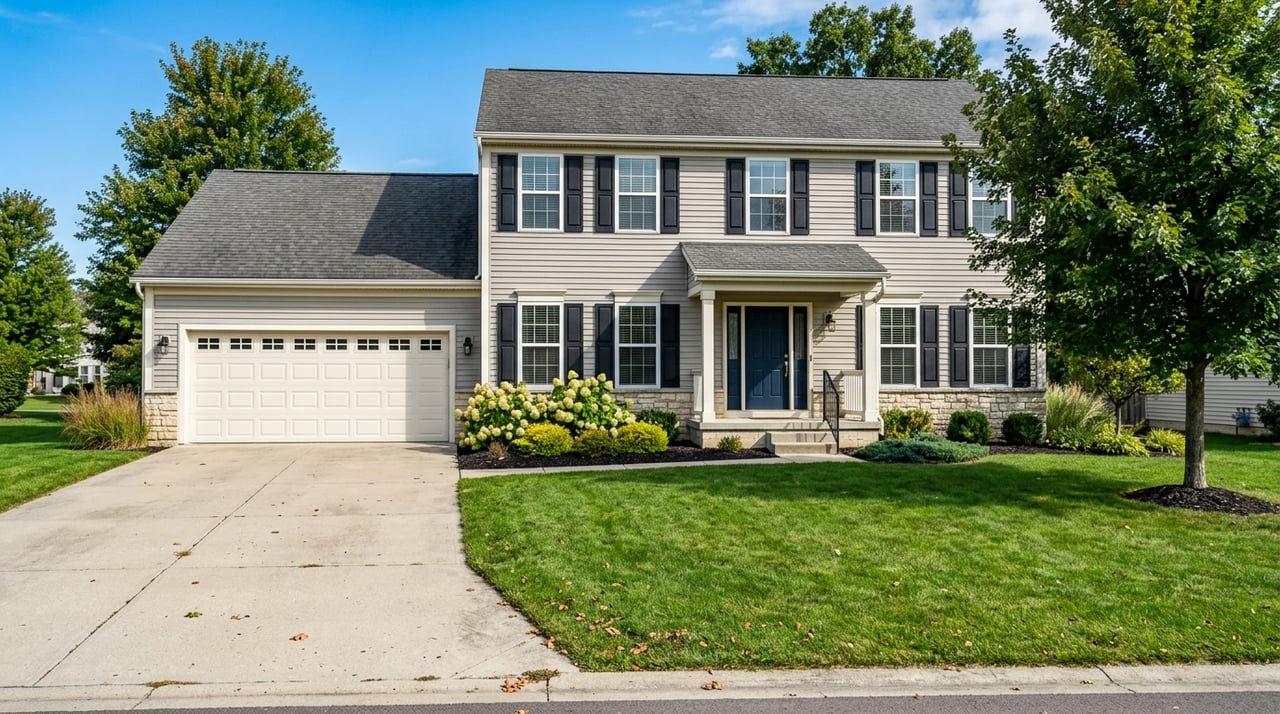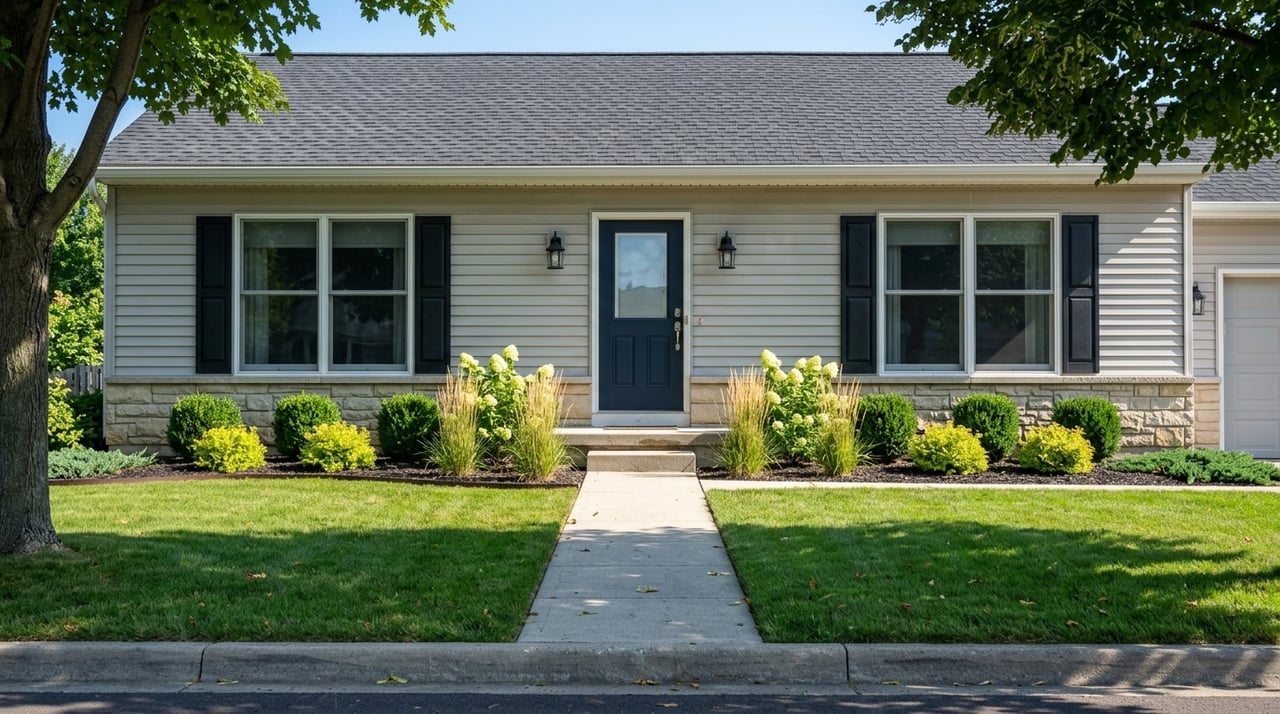
Wondering how to price your Sheboygan home without second-guessing every number you see online? You are not alone. Between tax assessments, automated value estimates, and nearby asking prices, it is easy to feel pulled in three different directions. The good news is that there is a clear way to price with confidence, and it starts with understanding what the market is actually paying. Let’s dive in.
Start With Sold Prices
If you want a price that holds up with buyers, agents, and appraisers, recent sold homes should lead the conversation. In Sheboygan, public market snapshots show different numbers because they measure different things. Redfin reported a median sale price of $229,863 in May 2026, while Zillow’s home value index was $264,820 and Realtor.com showed a median listing price of $275,000.
Those differences do not mean the data is bad. They mean each source is looking at a different stage of the market. Sold data reflects what buyers actually paid, while online estimates model value and listing sites show what sellers hope to get.
For a home pricing strategy, sold comparables should carry the most weight. Active listings and online estimates can add context, but they should not set the final number on their own.
Understand Sheboygan Market Pace
Pricing is not just about value. It is also about timing. In Sheboygan, recent data suggests a moderately active market, with public sources showing homes taking roughly 35 to 48 days on market depending on the dataset and time period measured.
That matters because a price that looks close on paper can still miss the market if it does not match buyer expectations. If you price too high, you may lose momentum early. If you price too low without a strategy, you may leave money on the table.
Build a Defensible List Price
A confident list price is not a guess. It is built from comparable sales that closely match your home. Fannie Mae’s guidance says the best indicators of value are recent closed sales from the same neighborhood or market area when possible.
Those comparables should line up with your property in the ways buyers care about most, including:
- Site or lot characteristics
- Room count
- Finished living area
- Style
- Condition
- Legal features
Fannie Mae also requires at least three closed comparables in the sales comparison approach, with listings or pending sales used as support. That is a helpful benchmark because it shows why one nearby sale is never enough to price a home well.
Why Asking Prices Are Not Enough
It is tempting to look at nearby listings and assume your home should be priced in the same range. The problem is that listing prices are opinions until buyers respond. Some homes are priced well. Others are testing the market.
That is why a pricing conversation should separate three things clearly:
| Data point | What it tells you |
|---|---|
| Sold homes | What buyers actually paid |
| Active listings | What sellers are asking |
| Online estimates | A modeled value range |
If you treat all three numbers the same, you can end up chasing the wrong target. In most cases, sold homes are the strongest anchor.
Adjust for Your Home’s Real Differences
Once you have a solid set of comps, the next step is adjusting for what makes your home different. This is where pricing becomes more precise. Adjustments should reflect how the market reacts, not just how much you spent.
Fannie Mae says adjustments must be fact-based and objective. That includes differences in condition, market timing, concessions, and other features that affect how buyers compare one property to another.
Common pricing adjustments may involve:
- Square footage
- Bedroom and bathroom count
- Garage capacity
- Lot size
- Overall style
- Condition and deferred maintenance
- Sales concessions
- Changes in market conditions over time
- External location factors, including flood zones
The key point is simple: updates add value only if buyers in Sheboygan are willing to pay more for them.
Renovations Do Not Always Return Dollar for Dollar
Many sellers assume that if they spent $25,000 on improvements, the asking price should rise by the same amount. Real markets do not work that way. Buyers may value one update strongly and care much less about another.
For example, fresh condition, visible maintenance, and functional systems often matter because they affect a buyer’s comfort level. But a highly personal upgrade may not create the same return. Pricing should reflect market reaction, not a reimbursement plan.
Sheboygan Location Matters More Than You Think
In Sheboygan, location can influence value in ways that are easy to overlook. The city’s Lake Michigan frontage, public beaches, waterfront attractions, and access to Interstate 43 and Highway 23 all shape how buyers view different properties.
That does not mean every home gets a waterfront premium. It means your specific setting matters. A property near the lake, a home with a certain view, or a location affected by shoreline issues may need a more careful comparison set than a similar home inland.
Waterfront and Flood Factors
Because Sheboygan is a shoreline market, flood exposure and related external factors can play a bigger role in pricing. Sheboygan County administers a floodplain ordinance, and its GIS flood layer includes zones such as A, AE, and VE. Buyers may also review official flood-hazard information as part of their due diligence.
This matters for two reasons. First, flood exposure can affect buyer demand and financing. Second, two homes described as having a similar water view may still need different value adjustments based on their exact characteristics.
If your home is waterfront or near the shoreline, pricing should account for those details from the start. That helps you avoid surprises later.
Tax Assessments Are Only a Clue
One of the most common pricing mistakes is using the tax bill as the main guide. In Sheboygan, that can be especially misleading right now. The City of Sheboygan says its current real estate assessment values are still based on January 1, 2014 market values while a 2022 to 2026 revaluation is being completed, with notices expected in August 2026.
That means your assessment may not reflect today’s market conditions. Wisconsin guidance supports using comparable sales as the stronger evidence of market value. Your assessment can offer background, but it should not be treated as your listing strategy.
Be Ready for the Appraisal Conversation
Even with a strong offer, your price may still face another test if the buyer is financing the purchase. A broker price opinion is commonly used to support a listing price, while an appraisal is a separate opinion from a licensed appraiser.
That is why sellers sometimes hear one value before listing and another during the loan process. If an appraisal comes in low, buyers may try to renegotiate or review the appraiser’s work. A well-supported list price lowers the risk of that issue becoming a deal problem.
Avoid These Pricing Mistakes
A few common mistakes can make a home sit longer or create problems during negotiations.
Here are some of the biggest ones to avoid:
- Pricing from the tax assessment alone
- Using active listings as if they were sold prices
- Assuming every renovation adds equal value
- Ignoring condition or deferred maintenance
- Overlooking flood exposure or shoreline factors
- Starting at a price that is hard to defend if the appraisal comes in lower
There is another process issue sellers should keep in mind in Wisconsin. Seller disclosure rules generally require a Real Estate Condition Report within 10 days after offer acceptance, and certain defect disclosures can affect the buyer’s rights. That is another reason honest, data-backed pricing and preparation matter from day one.
What Confident Pricing Really Looks Like
Confident pricing does not mean picking the highest number you can justify emotionally. It means choosing a number that reflects recent sold comps, your home’s condition, your location, and the way buyers are behaving right now in Sheboygan.
In practical terms, that usually means:
- Start with at least three recent closed comparable sales.
- Compare size, style, condition, room count, and lot features.
- Adjust for real differences such as updates, maintenance, concessions, or timing.
- Consider Sheboygan-specific location factors like shoreline influence or flood exposure.
- Use active listings and online estimates as support, not the final answer.
That kind of pricing gives you a better chance to attract serious buyers, protect negotiating strength, and move toward a smoother closing.
If you are getting ready to sell in Sheboygan, a local, practical pricing strategy can make a big difference. When you want clear guidance rooted in market logic, reach out to Craig Kasten for a free home valuation and consultation.
FAQs
How should you price a home in Sheboygan?
- Start with recent sold comparable homes, then adjust for your property’s size, condition, location, and any factors like flood exposure or concessions.
Are Sheboygan tax assessments the same as market value?
- No. The City of Sheboygan says current assessments are still based on January 1, 2014 market values while a revaluation is being completed, so assessments may lag the current market.
How many comps do you need to price a Sheboygan home?
- A strong pricing analysis should use at least three closed comparable sales, with additional listings or contract sales used as support.
Do waterfront homes in Sheboygan need special pricing adjustments?
- Yes. Waterfront setting, view differences, flood-hazard exposure, and shoreline-related factors can all affect how a buyer values the property.
Can you use active listings to price your Sheboygan home?
- You can use them for context, but active listings show asking prices, not what buyers have actually agreed to pay and close on.
What happens if a Sheboygan home appraises low?
- A low appraisal can lead to renegotiation or a review of the appraiser’s work, which is why a defensible list price matters from the beginning.