Thinking about trading big-city pace for a small-city rhythm without losing access to jobs, parks, and everyday conveniences? If Plymouth in Sheboygan County is on your radar, you likely want a clear picture of lifestyle, commute options, and what it costs to buy or rent. This guide gives you a practical overview and shows you where to verify the latest numbers before you make a move. Let’s dive in.
Plymouth at a glance
Plymouth is a small city in Sheboygan County with a classic Wisconsin downtown, surrounding neighborhoods, and ties to local manufacturing and agriculture. Many residents commute to nearby employment centers in Sheboygan, Fond du Lac, and the Milwaukee metro. The regional economy includes manufacturing, healthcare, retail, and small businesses. For exact population and income figures, check the latest U.S. Census and American Community Survey estimates when you are ready to compare neighborhoods and budgets.
Lifestyle and amenities
Downtown and dining
You will find an inviting downtown core with locally owned shops, cafes, restaurants, and professional services. Daily errands are simple, and you can head to nearby communities for larger retail options. Sheboygan and surrounding towns offer more big-box shopping, specialty stores, and entertainment.
Parks and the outdoors
Plymouth offers local parks, trails, and small waterways that make it easy to get outside. Lake Michigan beaches along the Sheboygan County shoreline are typically a 20 to 40 minute drive, depending on your starting point. Nearby state and county parks, including Kohler-Andrae State Park, provide hiking, beach access, and four-season recreation.
Schools and education
Plymouth is served by the Plymouth School District. For neutral, up-to-date school performance information, review Wisconsin Department of Public Instruction report cards and the district’s program pages. If you are pursuing training or career changes, you will also find nearby higher-education and technical college options that support the regional workforce.
Healthcare and services
Primary-care clinics and everyday services are available in and around Plymouth. For hospital and specialty care, residents typically use facilities in Sheboygan and other nearby communities. If quick access to urgent or emergency care matters to you, map typical drive times from the homes you are considering.
Community events
Expect small-city festivals, farmers markets, and seasonal events throughout the year. The City of Plymouth and the Plymouth Area Chamber of Commerce regularly post event calendars, business directories, and community updates.
Commute and transportation
Getting around by car
Plymouth is primarily car-oriented, and most residents drive to work. Public transit is limited compared to larger metros, so access to a vehicle is helpful for daily errands and commuting. If you plan to carpool or work from home part-time, build that into your budget and schedule.
Routes and drive times
Plymouth connects to county roads and state routes that feed into the I-43 corridor for regional access. One-way commutes to Sheboygan are typically under an hour. Drives to Milwaukee or Green Bay can range from about 45 to 90 minutes depending on traffic and your exact origin and destination. Always test your route during the same hours you expect to travel.
Transit and alternatives
Fixed-route regional transit options are limited. Shoreline Metro serves Sheboygan, but coverage in smaller towns is not broad. Some county services may offer demand-response or dial-a-ride transportation for eligible riders. There is no commuter rail, so most residents rely on personal vehicles.
Winter tips
Snow and ice can affect drive times and school schedules. The City posts snow removal guidelines, and roads are maintained on set routes after storms. Keep winter tires in mind, allow extra buffer on your commute, and sign up for municipal alerts.
Housing costs and what to budget
Plymouth’s housing stock includes older homes near downtown, mid-century houses, newer subdivisions, and a modest number of multifamily options. Cost of living in small Wisconsin cities is often lower than in major metros, though your final monthly payment depends on the home, financing, and taxes.
Budget line items
- Purchase price or rent based on current local market trends.
- Property taxes, which vary by city, school district, and county mill rates.
- Homeowners insurance and, if applicable, flood insurance.
- Utilities such as gas, electric, water, sewer, and internet.
- HOA dues in newer subdivisions or condo communities.
- Ongoing maintenance, seasonal services, and reserves for repairs.
Where to check prices
For current numbers, use recent 12-month median sale prices and days-on-market data from the local MLS or Wisconsin REALTORS Association reports. Quick snapshots from major housing portals can help you spot trends, and your agent can pull neighborhood-level comps. If you are comparing rent vs. buy, request recent rental data by bedroom count from local property managers or MLS.
Property tax estimates
Property taxes are set by multiple jurisdictions, so avoid using a single percentage. Instead, use the Sheboygan County assessor or treasurer resources to pull mill rates and estimate a tax bill for a sample property value. If you are evaluating two homes with similar prices, compare their recent tax bills and levy details to understand the difference in carrying costs.
Neighborhoods and home types
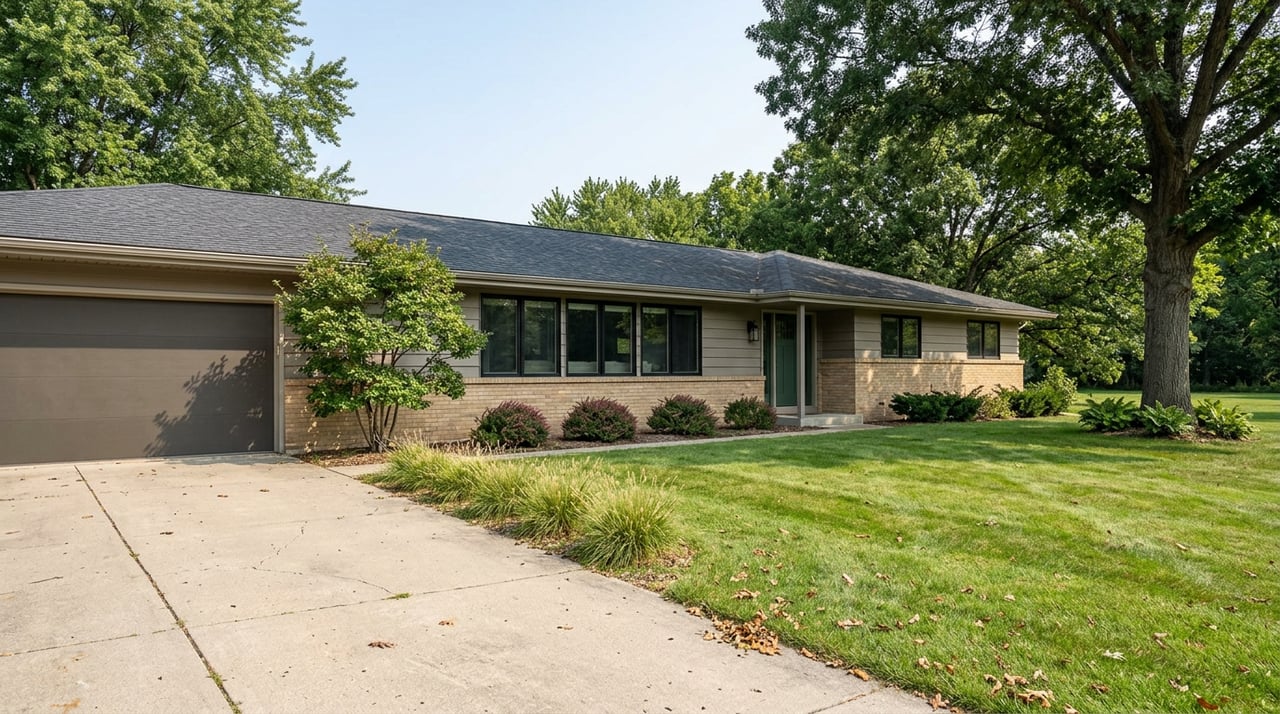
Near downtown, you will see historic homes with character and walkable blocks. Mid-century ranches and split-levels are common in established neighborhoods, and newer subdivisions add two-story and open-concept homes on modest to generous lots. Multifamily housing is more limited than in larger cities, so plan ahead if you need a rental while you shop. If you consider homes outside city limits, check well and septic status, inspection records, and utility setup.
Practical steps to plan your move
- Map your commute to Sheboygan, Milwaukee, and other destinations during peak hours.
- Get preapproved and set purchase and monthly payment targets.
- Compare two or three neighborhoods and home types that fit your budget.
- Tour homes in different eras of construction to see what feels right.
- Review school program information and Wisconsin DPI report cards.
- Check zoning and permit requirements for any planned projects.
- Request utility history and verify average seasonal costs.
- Build a winter move plan, including timing, storage, and snow contingencies.
Selling a Plymouth home
Spring is often the busiest season, but well-prepped homes sell in every quarter. Strong listing photos, targeted pricing, and pre-list improvements like curb appeal and basic system tune-ups help attract buyers. Many buyers come from nearby metro areas seeking value, so highlight features that reduce ongoing costs and ease maintenance. Your agent can time the listing, navigate offers, and negotiate clean terms.
Work with a local guide
You deserve a clear plan, honest communication, and someone who can move your deal to the finish line. With hands-on experience in resale, investment, land, and light commercial, you get practical guidance on pricing, inspections, taxes, and timelines across Southeast Wisconsin. If you are buying, selling, or investing in or around Plymouth, connect with Craig Kasten for a straightforward plan and a smooth process. Get a Free Home Valuation & Consultation.
FAQs
What is it like to live in Plymouth, WI?
- Expect a small-city feel with a walkable downtown, local parks, community events, and easy access to larger shopping and healthcare in nearby cities.
How long is the commute from Plymouth to Sheboygan or Milwaukee?
- Drives to Sheboygan are typically under an hour, while Milwaukee commutes often range from about 45 to 90 minutes depending on traffic and your exact route.
What housing types are common in Plymouth?
- You will find older homes near downtown, mid-century houses in established neighborhoods, newer subdivisions, and a limited supply of multifamily options.
How do I estimate property taxes on a Plymouth home?
- Use Sheboygan County assessor or treasurer resources to apply current mill rates to an example home value and compare recent tax bills between properties.
Are there public transit options in Plymouth, WI?
- Public transit is limited; most residents drive, though county demand-response services may be available and Shoreline Metro operates within Sheboygan.
Which schools serve Plymouth?
- The Plymouth School District serves local students; for neutral performance data, review Wisconsin Department of Public Instruction report cards and district resources.
What should I know about winter driving and services?
- Plan for snow and ice that can extend travel times, follow City snow removal guidelines, and keep your vehicle winter-ready with tires, wipers, and emergency supplies.