Thinking about buying a duplex or fourplex in West Bend but not sure where to start? You are not alone. With the right plan, small multifamily can deliver steady income and long-term equity while keeping risk manageable. In this guide, you will learn how to evaluate demand, price rents, underwrite expenses, compare financing, and build a local team so you can move from research to results. Let’s dive in.
Why West Bend works for small multifamily
West Bend sits about 30–35 miles from Milwaukee, which draws both local renters and commuters who prefer a smaller-city lifestyle at a lower housing cost. That mix supports demand across 1–3 bedroom units in 2–4 unit buildings. You get a practical entry point for cash flow with the potential to add value through smart renovations and better management.
Location and renter demand
Local hospitals, manufacturing, retail, and county government provide a stable employment base. Many residents also commute to Milwaukee and Waukesha for work. Proximity to downtown West Bend, parks, transit routes, schools, and riverfront amenities can influence rent levels and tenant interest. Always confirm neighborhood-level trends before you buy.
Who rents here
Typical renter groups in smaller cities like West Bend include young professionals, tradespeople, small families, and downsizing empty nesters. You should confirm local household sizes, age mix, and renter share using the U.S. Census and American Community Survey. Match your unit mix and finish level to the renter profiles you want to attract.
How it compares nearby
Expect lower median sales prices and lower average rents than Milwaukee and some inner-ring suburbs. Prices and rents are often higher than more rural Washington County towns. Returns in West Bend usually come from disciplined purchase pricing and efficient operations rather than aggressive rent growth.
Property types you will find
Duplexes, triplexes, fourplexes
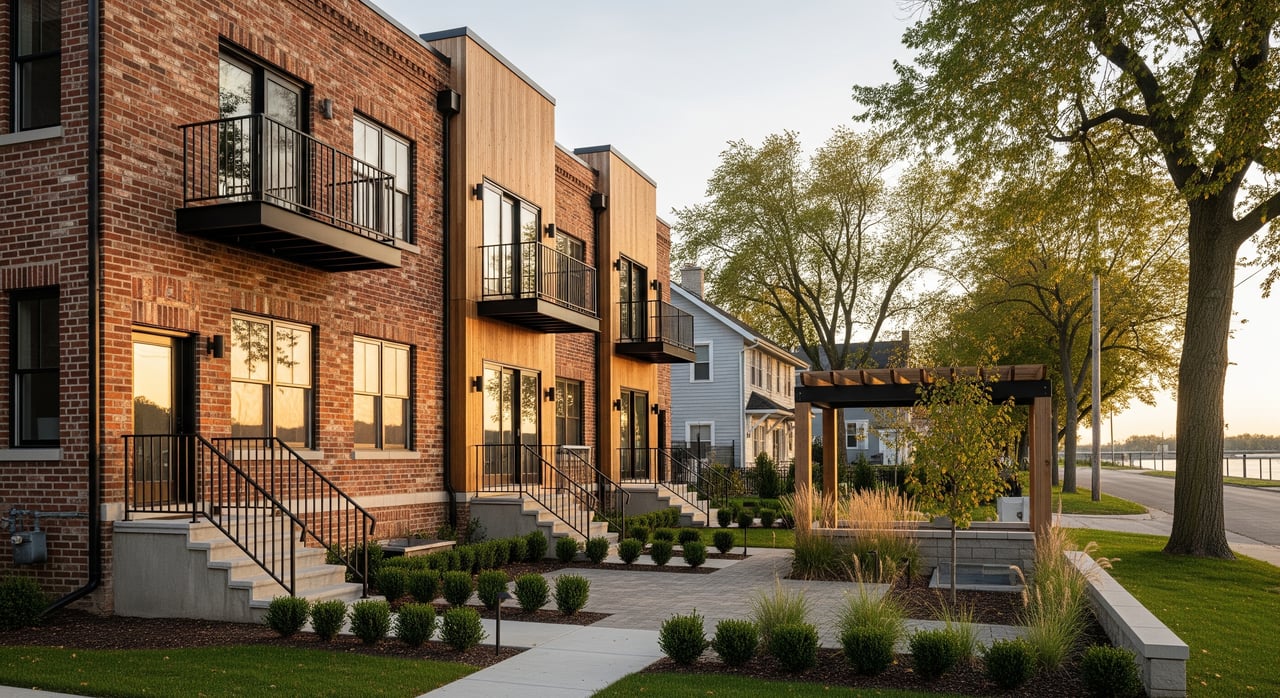
Duplexes are common and can be converted single-family homes or purpose-built two-flats. Three and four-unit buildings may be wood-frame or masonry. Most units are 1–3 bedrooms, with many duplexes offering 1–2 bedroom layouts and smaller 4-unit buildings mixing one-bedroom and two-bedroom apartments.
Age and condition watchouts
Many small multifamily properties predate 1980. Plan for roofs, furnaces, water heaters, windows, grading and drainage, and potential electrical or plumbing upgrades. For pre-1978 buildings, follow standard federal disclosures for lead-based paint and consider asbestos risks. Build a clear capital plan and budget for near-term improvements.
Occupancy patterns
In smaller communities, you may see a mix of long-term tenants and standard 12-month leases. Turnover can be lower than dense urban cores. Always verify current vacancy trends and lease terms with local managers before underwriting.
How to price rents in West Bend
Start with active rental listings and local property manager websites to understand current asking rents. Add county-level HUD Fair Market Rents and ACS median rent data for context. If you have MLS access through a cooperating broker, review recent leased comparables as well. Talk to local managers to confirm effective rents and any concessions.
Compare apples to apples
When pulling comps, match unit size and baths, finish level, parking, utilities included, location, and pet policies. Adjust for condition and amenities. Keep a simple spreadsheet of addresses, sizes, rent, and included utilities to make fair adjustments.
Illustrative rent ranges
The following ranges are examples to show how underwriting works. They are illustrative only, not current market quotes. Always confirm with current listings and HUD/ACS data.
- Lower-range building example: 1BR about $750–$900; 2BR about $900–$1,100 per month.
- Mid-market near amenities example: 1BR about $900–$1,100; 2BR about $1,050–$1,350 per month.
Underwriting basics that work locally
Build a complete pro forma
Include these expense categories:
- Property taxes
- Insurance (hazard, landlord, liability, loss of income)
- Utilities (who pays water/sewer, gas, electric)
- Maintenance and repairs
- Capital reserves for big items
- Property management fees
- Vacancy and credit loss
- Administrative and legal costs
Practical expense ratios
For small 2–4 unit buildings, an operating expense ratio of about 30–50 percent of effective gross income is common. Older properties and owner-paid utilities trend higher. Budget 5–10 percent for vacancy and credit loss, 8–12 percent for third-party management, and about $250–$800 per unit per year for capital reserves, depending on age and condition.
Illustrative return scenarios
The examples below are for illustration only and not advice. Verify all numbers with current local data.
Duplex example (illustrative): Purchase price $210,000. Two units at $950 per month. After 8 percent vacancy and a 40 percent operating expense ratio, estimated NOI is about $12,600. That implies a cap rate near 6.0 percent. With 80 percent LTV at an assumed 5 percent interest rate, cash-on-cash return is about 3.8 percent given sample closing and repair costs. Takeaway: returns improve with a lower purchase price, higher verified rents, or better financing.
Four-unit example (illustrative): Purchase price $450,000. Average rent $900 per unit. At 7 percent vacancy and a 45 percent operating expense ratio, estimated NOI is about $22,097. That implies a cap rate near 4.9 percent. With 75 percent LTV at an assumed 5.5 percent interest rate, cash flow is negative until rents rise, expenses fall, or the purchase price is lower. Takeaway: pricing and terms matter a lot in small multifamily.
Financing your 2–4 unit
Conventional investment mortgages are available for 2–4 units, though down payments are typically higher than for owner-occupied homes. If you plan to live in one unit, FHA and conforming loans can be options for 2–4 units, subject to program rules and eligibility. Local portfolio lenders, community banks, and credit unions often understand small multifamily well and may offer flexible terms. Confirm current underwriting standards and interest rates with lenders before you write an offer.
Laws, taxes, and compliance
Review Wisconsin landlord-tenant statutes for rules on security deposits, notices, eviction procedures, and required disclosures. Wisconsin uses a judicial eviction process, so consult a local attorney on timelines and best practices. Check the City of West Bend assessor and Washington County treasurer for property tax histories and current mill rates for your target properties. Verify whether West Bend requires any rental registration, inspections, or certificates of compliance for rental units with the city building department.
Reduce risk and improve returns
- Negotiate purchase price and explore seller financing where appropriate.
- Increase rents by renovating units, improving marketing, or optimizing unit mix.
- Lower expenses by shifting appropriate utilities to tenants and using preventive maintenance.
- Add income from parking, storage, or laundry where feasible.
- Use tax strategies like depreciation and consult a CPA for your specific situation.
Finding deals and building your team
You can source deals through the local MLS, off-market networking, investor meetups, local managers, auctions and REO lists, and even courthouse postings. A strong local network is often the difference in finding workable numbers. Build relationships with an agent experienced in small multifamily, plus a property manager, a local mortgage broker, a CPA, a real estate attorney, and reliable contractors who know West Bend codes and building practices.
Due diligence checklist for West Bend
- Current rent roll, leases, and security deposit records
- At least 12 months of income and expense statements
- Rent comparables for similar units within the immediate area
- Property tax bills, assessment history, and utility bills
- Insurance loss runs and current premium quotes
- Full building inspection and testing for lead/asbestos if applicable
- Zoning, permitted uses, parking requirements, and open code violations
- Capital needs estimate with contractor quotes
- Confirm that Wisconsin has no statewide rent control and check local ordinances
Next steps
If you like the idea of steady income and local equity growth, start by validating rents and expenses on two or three target properties. Build a simple pro forma, talk with two lenders, and line up a property inspection partner before you write. When you are ready for a focused search or a second set of eyes on your underwriting, connect with Craig Kasten for practical, neighborhood-level guidance and a plan that fits your goals.
FAQs
What drives renter demand in West Bend?
- A mix of local employers in healthcare, manufacturing, retail, and county government, plus commuting access to Milwaukee and Waukesha, supports demand for 1–3 bedroom units.
How should I estimate rents for a duplex or fourplex?
- Start with active listings and local manager data, add HUD Fair Market Rents and ACS context, and compare similar unit sizes, finishes, location, and utilities before setting assumptions.
What are typical small multifamily expenses?
- Budget for taxes, insurance, utilities, repairs, capital reserves, management, vacancy, and admin/legal. An operating expense ratio of about 30–50 percent of effective income is common.
Are there rent controls in West Bend or Wisconsin?
- Wisconsin does not have statewide rent control. Always verify any local ordinances with the City of West Bend before you invest.
What financing options exist for 2–4 unit properties?
- Conventional investment loans, owner-occupied options like FHA and conforming programs, and local portfolio lenders or credit unions are common choices. Confirm terms with lenders.
What inspections and compliance steps should I plan for?
- Get a full building inspection, confirm disclosures for pre-1978 properties, check zoning and code status, and verify whether West Bend requires rental registration or inspections.