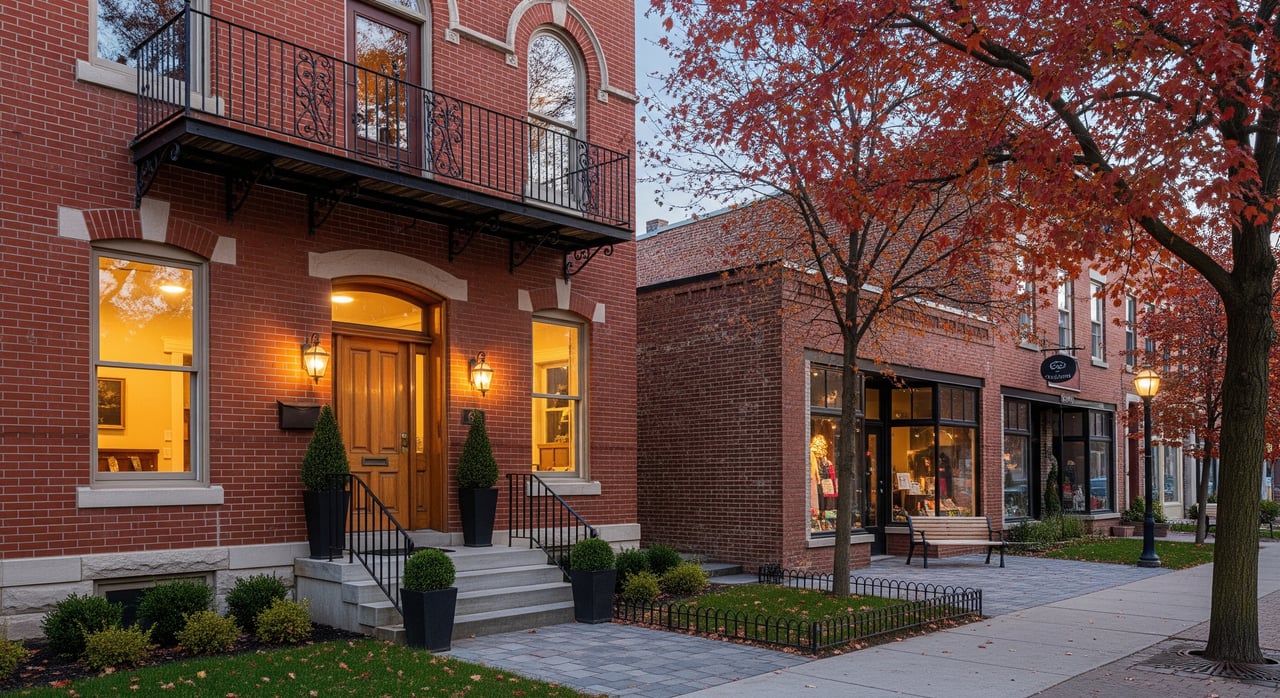
Do you want coffee, galleries, and community events just a short walk from your front door? If you’re exploring West Bend, living near the downtown core can put everyday conveniences and culture within easy reach. You also want a clear picture of the tradeoffs, housing options, and practical details before you decide. This guide breaks down daily life, homes, amenities, commute patterns, schools, and key buyer and seller tips so you can choose with confidence. Let’s dive in.
Snapshot of daily life
West Bend is the county seat of Washington County with a city population of roughly 31,000 based on U.S. Census 2020 counts. Downtown serves as the civic and cultural center, with county offices, local businesses, restaurants, cafés, and event programming in a compact commercial district. If you live in or directly next to the core, you can often walk to errands, dining, the library, and cultural venues.
Outside the immediate core, most trips around West Bend are car-oriented. Neighborhoods spread out quickly, so walkability varies block by block. The biggest lifestyle tradeoff is simple. Near downtown, you get short walks and more activity. In more suburban areas, you get larger lots, attached garages, and more privacy.
Housing near the core
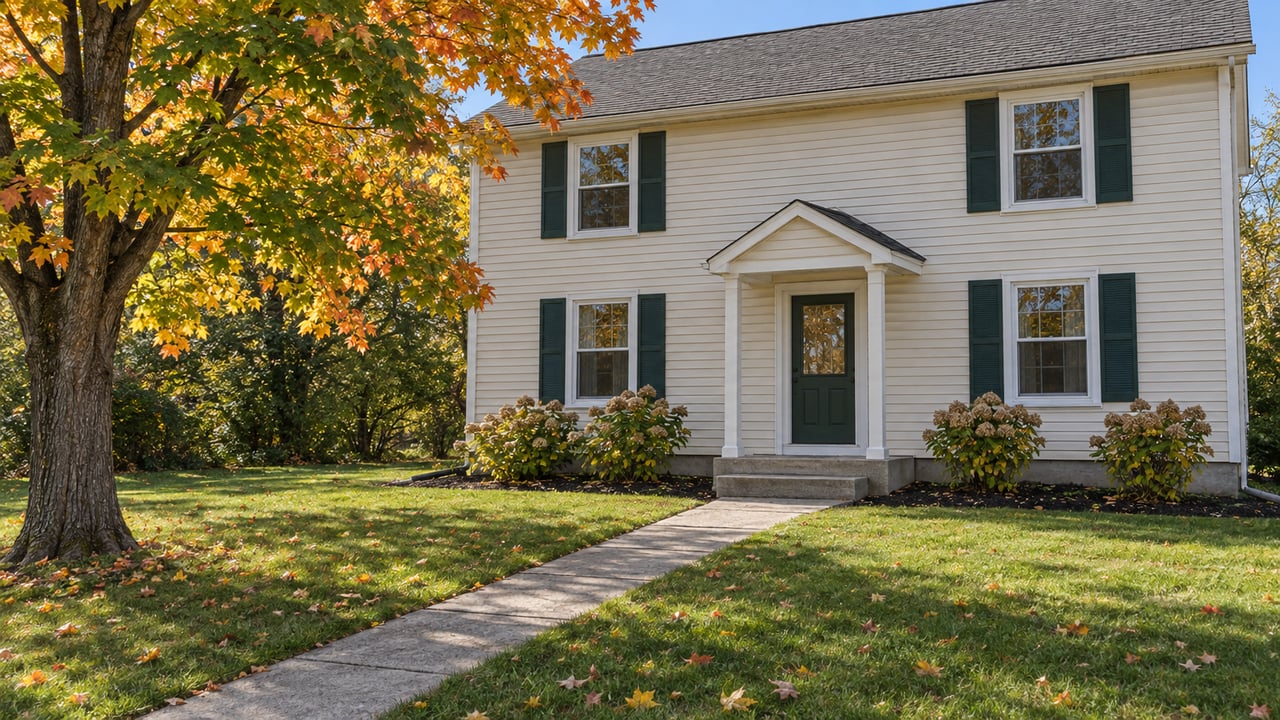
The housing stock close to downtown trends older and full of character. You’ll find late 19th to mid 20th century single-family homes, including Victorian-era styles, bungalows, Craftsman homes, and small two-story houses. There are also small apartment buildings, duplexes, and some condo conversions in or near commercial buildings.
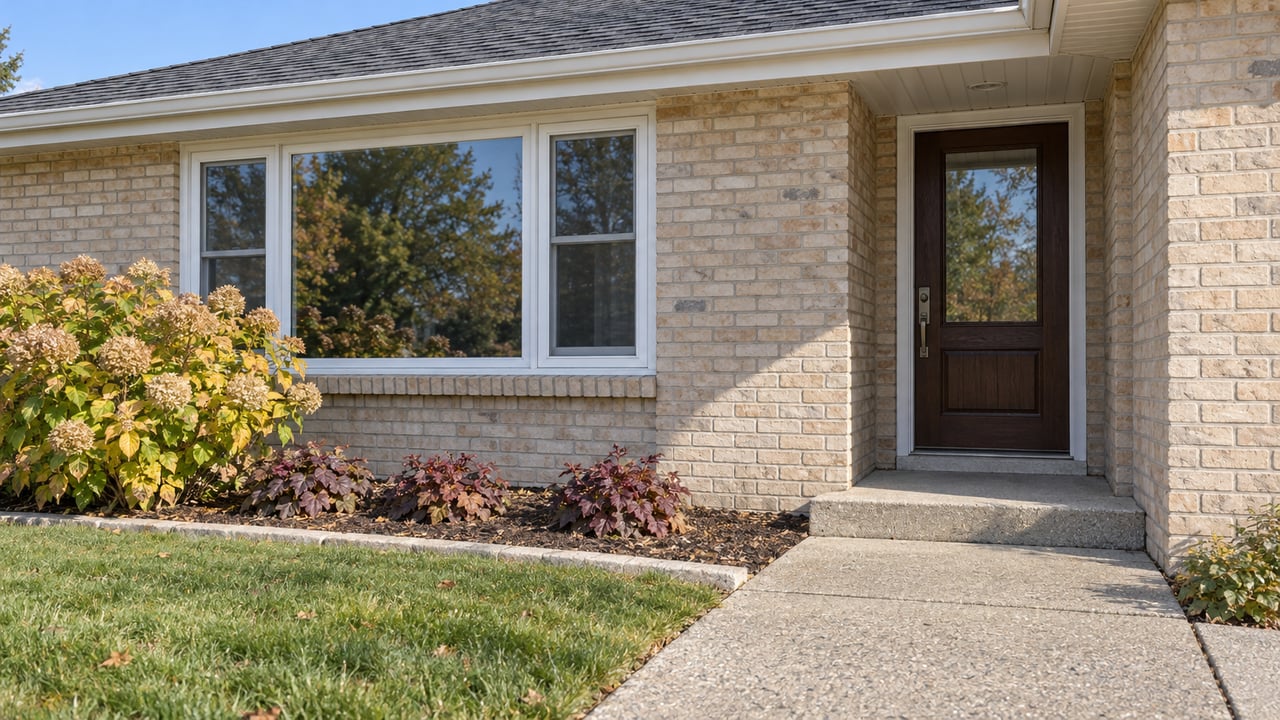
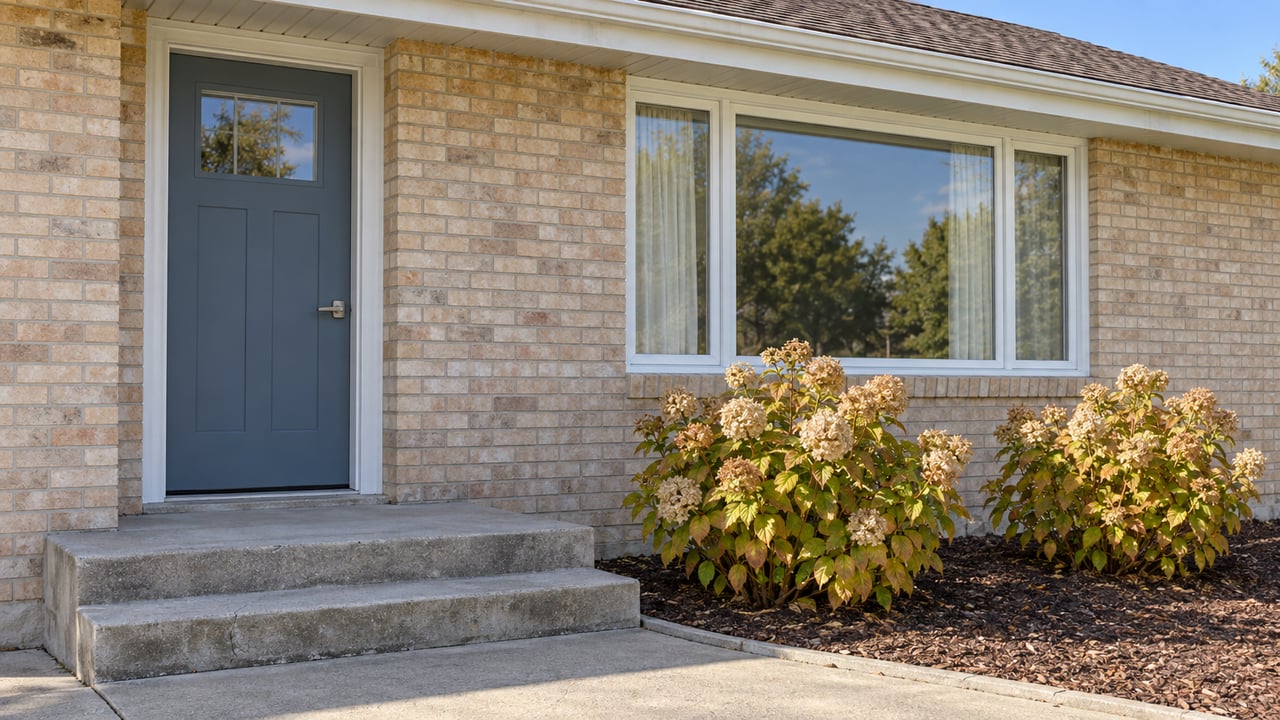
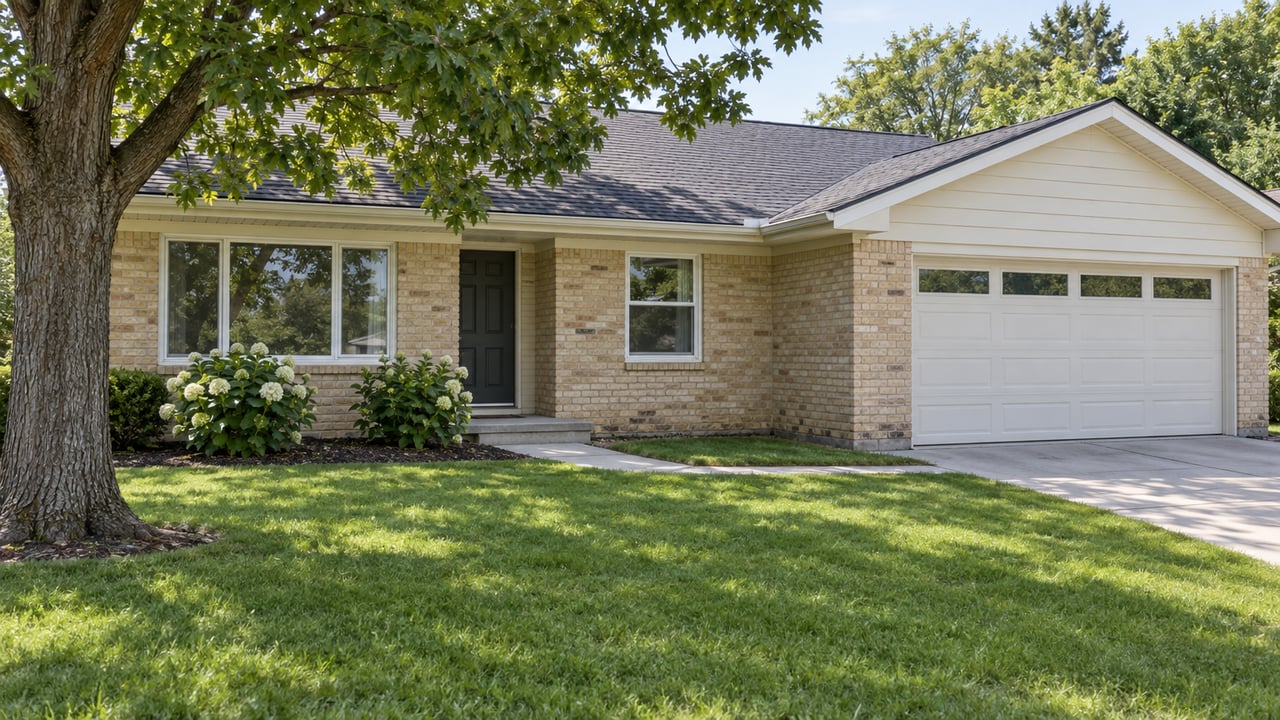
A few blocks out, transition neighborhoods offer mid-century ranches and modest post-war homes. Farther into the suburban fringes, you’ll see newer subdivisions, larger single-family homes, and some modern townhomes on infill parcels. Lot sizes usually expand as you move away from the core.
Parking patterns also change with location. Near downtown, lots are typically smaller with more on-street parking and detached garages. In suburban areas, attached garages and wider driveways are common. If off-street parking is important to you, confirm driveway and garage details at each address and review any municipal parking rules.
Market patterns to expect
Prices near the core can swing either way. Homes directly by downtown sometimes command a premium for walkability and access to amenities. In other cases, older or smaller homes may trade at a discount if they need updates. The net effect depends on inventory and demand, and it can vary by block.
Condo and townhome supply close to downtown is often limited. When these units come to market, they tend to attract buyers who want low-maintenance living near restaurants, shops, and events. If that is your target, be prepared to move quickly when a good option appears.
Who chooses this location
A mix of buyers lean downtown or downtown-adjacent. Young professionals and couples value walkability and the local dining and arts scene. Empty-nesters and retirees often seek a smaller maintenance footprint with easy cultural access. Buyers who love historic character gravitate to older homes near the core. Some families choose close-in neighborhoods for community proximity, while others prefer nearby suburban areas for larger yards.
What to inspect closely
Older homes come with unique maintenance priorities. Plan for a thorough review of roofing, foundation, plumbing, insulation, and electrical systems. Very old properties may still have knob-and-tube wiring. Visit listings at different times of day to get a feel for activity, evening foot traffic, or event noise. Check for any historic district guidelines or design review processes that could shape exterior changes.
Walkability and amenities
The downtown street grid is compact with sidewalks, storefronts, and short blocks, which supports walking to everyday needs. If you live directly in the core, grabbing coffee, going to the bank, or meeting friends for dinner can be a quick stroll. A few blocks out, the pedestrian environment becomes more variable and car trips pick up.
Dining and cafés cluster downtown, alongside locally owned shops and services. Grocery access depends on your exact address and how much you want to walk or drive, so confirm store locations during your home search. The library and civic buildings are close by, and seasonal event programming brings regular activity to the area.
A standout cultural anchor is the Museum of Wisconsin Art, which draws visitors and residents for exhibitions and events. You’ll also see seasonal staples like a farmers market and festivals. Event calendars change year to year, so check current schedules as you plan your weekends or coordinate an open house.
Parks and the outdoors
If you live near the core, you can often access small community parks, riverfront paths, or linear greenways on foot. Larger county parks, trail networks, and water access points are typically a short drive away. West Bend’s parks and recreation programming, plus fitness options like community centers or YMCAs, provide year-round activities. Confirm current park amenities, trail maps, and program schedules with the city before you head out.
Getting around and commuting
Most daily travel in West Bend happens by car. If you commute to Milwaukee, plan for roughly 30 to 50 minutes depending on your exact start and end points and traffic. Regional highway access supports those trips, and it helps to review state and county highway maps when you evaluate commute times.
Public transit in small cities is often limited. Check the latest county and city transportation pages for available services, such as any intercity buses, commuter connections, or paratransit offerings. Biking can be a practical option for some trips, especially on shared-use trails or signed routes. Look up bike connections from specific addresses to downtown and test the path at peak times.
Parking near the core relies on a mix of on-street spaces, municipal lots, and some private lots. Meter enforcement hours, permit zones, and special-event parking plans can affect your routine. If you expect guests or rely on street parking, review the city’s latest parking rules during your due diligence.
Schools and education
Downtown West Bend is served by the West Bend School District. Attendance boundaries can shift, so verify the assigned elementary, middle, and high schools for the exact property you are considering. Private or parochial options are also available in the area, with different grade ranges and admissions processes.
To compare program offerings and performance metrics, use the Wisconsin Department of Public Instruction and the district website for the most current reports. If you need daycare or preschool information, Washington County child care resources and local provider listings are good places to start. Always confirm current availability and transportation options.
Safety and city services
Perceptions of safety in active downtown areas can differ from the data. Nightlife and events may lead to more property or nuisance incidents in the core, while broader crime trends can look different across the city. For current and precise information, rely on West Bend Police Department crime statistics and FBI Uniform Crime Reports, and review neighborhood-level mapping tools when available.
City services cover water and sewer, trash and recycling schedules, snow removal, and more. Property tax rates vary by municipality and taxing districts such as county and school. Use Washington County and Wisconsin Department of Revenue tools to estimate your effective property tax rate for a specific property. If you plan exterior changes to a home near downtown, check with city planning about historic preservation boundaries or design review requirements.
Is this location right for you?
If you want to trade yard size for convenience, living near downtown can be a great fit. You’ll spend less time driving for coffee, dining, and events, and more time enjoying community life. If you prioritize larger lots, attached garages, and quieter evenings, a nearby suburban neighborhood may suit you better.
Your best next step is to test the routine you care about. Visit open houses near the core, park in the neighborhood at night, and walk to a few of your must-have destinations. You will quickly feel whether the tradeoffs match your lifestyle.
Buyer checklist for downtown living
- Confirm walkability at the exact address using a site visit, Walk Score, and a quick day-and-night test.
- Pull recent comparable sales from the immediate area for the past 6 to 12 months and review days on market.
- Inspect age-related systems: roof, foundation, plumbing, insulation, and electrical. Ask about any knob-and-tube wiring.
- Verify parking: driveway capacity, garage type, on-street rules, and any municipal permits.
- Ask the city about historic district boundaries or design review that could affect exterior changes.
- Check noise and foot-traffic patterns by visiting evenings and weekends.
Selling tips near downtown
- Lead with what buyers want: walkability, proximity to cultural amenities, and historic character if applicable.
- Tackle small updates that showcase older homes well, and gather documentation on system upgrades and energy improvements.
- Time your listing to benefit from event seasons and farmers markets, and coordinate open houses with local activities when possible.
- Price with precision. Close-in blocks can vary widely based on condition and parking, so use hyper-local comps.
What to verify before you decide
- Market snapshot: median sale price, price per square foot, days on market, and months of inventory for West Bend and the immediate downtown area.
- Recent comps: a few address-level examples that match your home’s age, size, and parking.
- Walkability: Street-level walkability metrics for your exact block.
- Zoning and permits: downtown zoning rules and any historic preservation guidelines.
- Safety and schools: crime trends and current attendance boundaries with the appropriate agencies.
- Taxes: an effective tax estimate for your target property through county and state tools.
If you want current data, local comps, and a plan tailored to your goals, connect with a local expert who works these streets every day. For a straightforward conversation about buying or selling near the West Bend core, reach out to Craig Kasten. Get a Free Home Valuation & Consultation.
FAQs
What does “near downtown West Bend” usually mean?
- It typically means homes within a short walk or bike ride of the Main Street commercial district, where lots are smaller and amenities are close.
Are condos or townhomes available close to the core?
- Supply is often limited, but units do come up; they attract buyers seeking low-maintenance living near restaurants, shops, and cultural venues.
How long is the commute to Milwaukee from downtown West Bend?
- Many drivers report about 30 to 50 minutes depending on traffic, route, and exact start and end points.
Which schools serve addresses near downtown West Bend?
- Properties in the core area are served by the West Bend School District; verify exact school assignments using current district attendance boundaries.
Is parking difficult if you live near downtown?
- Expect a mix of on-street parking and municipal lots; confirm enforcement hours, permits, and guest options with the city for your specific block.
Are there historic district rules that affect renovations?
- Some close-in properties may fall under historic preservation or design review; check with the city planning office before exterior changes.