Wondering what a buyer’s inspector might find in your Sheboygan home? That question matters even more in a city where much of the housing stock is older and seasonal weather can put extra stress on roofs, basements, and exterior materials. If you want fewer surprises, smoother negotiations, and a more confident sale, a little preparation can go a long way. Let’s dive in.
Why inspections matter in Sheboygan
In Sheboygan, inspections often focus on condition and maintenance rather than just appearance. According to the City of Sheboygan housing study, 35.6% of housing units were built before 1939. That makes it common for buyers and inspectors to look closely at older systems, past updates, and how well the home has been maintained over time.
Local weather also plays a big role. Sheboygan County’s climate includes warm, humid summers, cold snowy winters, roughly 33 inches of rain and 44 to 45 inches of snow each year, with Lake Michigan adding wind and occasional lake-effect snow, according to this Sheboygan County land and water resource report. In real terms, that means water management and exterior upkeep can become major inspection topics.
Start with access and visibility
One of the easiest ways to prepare is to make your home simple to inspect. Home inspectors need to reach key systems and visible structural areas covered by standard inspection practice, as outlined in the InterNACHI home inspection standards textbook. If spaces are blocked, the inspection can be delayed or leave more room for questions.
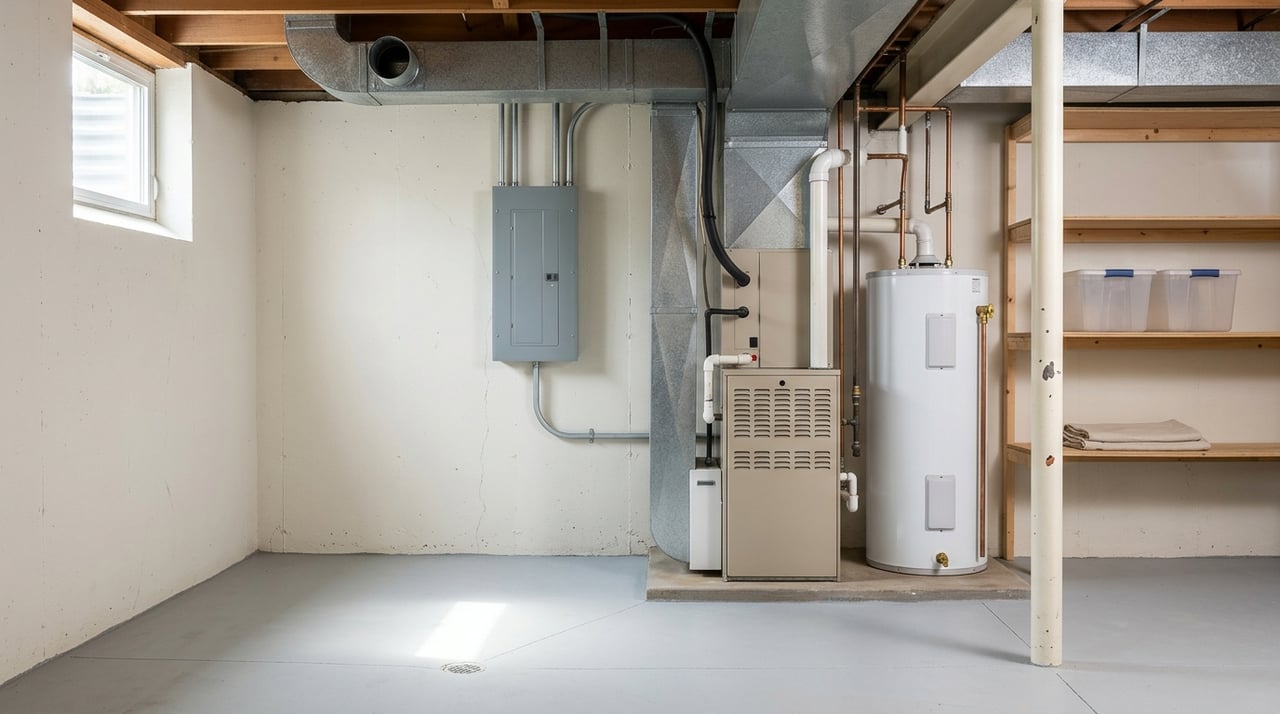
Before inspection day, clear away storage and make sure these areas are easy to access:
- Basement walls
- Crawlspaces
- Attic access points
- Utility rooms
- Electrical panel
- Water heater
- Furnace or boiler
- Plumbing shutoff areas
- Any service or access panels
Outside, trim vegetation and move items that block visibility around siding, foundation edges, walkways, flashing, and grading. When inspectors can clearly see the home’s condition, the report is more likely to reflect what is actually there instead of what could not be reviewed.
Focus on water first
If you only have time to address a few things, start with moisture-related issues. In Sheboygan, weather makes water management especially important, and active water intrusion is one of the issues most likely to affect negotiations.
Take a careful look at:
- Roof coverings
- Flashing
- Gutters and downspouts
- Grading around the foundation
- Basement walls and floors
- Signs of seepage or standing water
Even minor drainage problems can raise concerns if they suggest a larger issue. If gutters overflow, downspouts discharge too close to the home, or soil slopes toward the foundation, buyers may worry about basement moisture and future repair costs.
Check the big-ticket systems
Older homes in Sheboygan are more likely to bring up concerns tied to core systems. Wisconsin’s residential offer form specifically highlights roof issues, basement seepage, foundation movement or cracks, plumbing leaks, electrical problems, heating and cooling defects, and insulation or ventilation gaps as important categories in the inspection and disclosure process, as shown in the WB-11 Residential Offer to Purchase form.
You do not need to make every home perfect before listing. You do want to identify obvious issues that could lead to buyer concern or repair requests.
A practical pre-inspection checklist includes:
- Replace burnt-out light bulbs
- Make sure switches and outlets function normally
- Check for active plumbing leaks under sinks and near fixtures
- Confirm the heating and cooling system is operating as expected
- Look for visible roof wear or damaged flashing
- Note any foundation cracks or signs of movement
- Check attic and basement areas for moisture, stains, or ventilation concerns
Don’t overlook detectors and safety items
Smoke and carbon monoxide detectors deserve special attention. Wisconsin’s residential offer form treats detector defects as a relevant inspection item, so missing or nonworking devices can easily come up during a buyer inspection.
Before the inspection, test each detector and replace batteries if needed. If a detector is missing where one should be installed, address that before the buyer’s inspector arrives.
Gather records before buyers ask
Paperwork can be just as helpful as repairs. If you have updated a roof, replaced mechanicals, remodeled a kitchen, added electrical work, or completed plumbing improvements, collect your records now instead of scrambling later.
Helpful documents include:
- Contractor receipts
- Warranties
- Service records
- Permit sign-offs
- Inspection reports from completed work
- Manuals for major systems or appliances
This matters because the Wisconsin residential offer form specifically flags remodeling or structural, electrical, plumbing, heating, or mechanical work done without required permits as a disclosure issue. Good documentation can reduce buyer uncertainty and help keep negotiations focused.
Pay close attention to older homes
If your Sheboygan home is older, your preparation should be more detailed. With so much of the local housing stock built decades ago, buyers often expect charm and character, but they also want reassurance that the home has been maintained responsibly.
Older homes are more likely to surface findings such as:
- Roof wear
- Basement seepage
- Foundation cracks or movement
- Plumbing leaks
- Electrical concerns
- Heating and cooling defects
- Insulation or ventilation gaps
If your home was built before 1978, lead-based paint is another key consideration. The EPA’s lead-based paint guidance says older homes are more likely to contain lead-based paint, and sellers must disclose known lead-based paint hazards, provide available records, and allow buyers the opportunity to test before purchase. Chipped paint, deteriorating trim, and worn painted surfaces deserve extra attention.
Newer homes still need preparation
If your home is newer, do not assume the inspection will be easy by default. Newer construction can still raise concerns about maintenance, ventilation, drainage, detectors, and documentation for additions or improvements.
Radon is a good example. The Wisconsin Department of Health Services states that testing is the only way to know a home’s radon level and recommends testing every home. The state also notes radon can be high in any home, whether old or new.
If you have radon test results or mitigation records, keep them organized and ready to share. Buyers often feel more comfortable when they can review existing documentation instead of starting from scratch.
Be ready for well or septic questions
If your property has a private well or septic system, expect extra buyer attention. These systems are more specialized, and buyers often want reassurance that inspection, testing, and maintenance have been handled properly.
The Wisconsin DNR property transfer well guidance explains that a well inspection can review the well, pressure system, water quality, and unused wells. For septic systems, maintenance and pre-purchase review are also important.
If this applies to your property, gather:
- Well inspection records
- Water test results
- Septic pumping records
- Septic maintenance history
- Any repair documentation
What can affect negotiations most
Not every inspection note changes a deal. Buyers generally understand that most homes, especially older ones, will have some maintenance items. The issues that tend to carry the most weight are the ones tied to safety, water, major systems, and compliance.
The findings most likely to affect negotiations include:
- Active water intrusion
- Roof or flashing problems
- Unsafe or outdated electrical conditions
- Plumbing leaks
- Missing safety devices
- Unpermitted work
- Lead-related concerns
- Radon concerns
- Well or septic issues
Addressing or documenting these items early does not guarantee a perfect inspection report. It does help you control the process, reduce last-minute stress, and respond from a stronger position.
A smart seller’s inspection plan
If you want a simple game plan, use this sequence before your buyer’s inspection:
1. Clear access
Open up utility areas, attic access, basement walls, crawlspaces, and service panels so the inspector can do the job efficiently.
2. Check moisture risks
Look closely at the roof, gutters, downspouts, grading, basement, and any visible signs of leaks or seepage.
3. Test basic function
Make sure detectors work, lights operate, HVAC runs, and plumbing fixtures are functioning without obvious leaks.
4. Organize documents
Collect permits, receipts, warranties, service logs, and any radon, well, septic, or lead-related records.
5. Talk strategy before listing
If you already know there may be a concern, it helps to discuss it early and decide whether it makes more sense to repair, disclose, document, or price accordingly.
Preparing your Sheboygan home for buyer inspections is really about reducing uncertainty. When your home is accessible, maintained, and well-documented, buyers have fewer reasons to hesitate and fewer openings to push hard during negotiations. If you want practical guidance on how to position your home before it hits the market, connect with Craig Kasten for a straightforward plan and a free home valuation consultation.
FAQs
What should sellers do before a buyer inspection in Sheboygan?
- Clear access to major systems, check for moisture issues, test smoke and carbon monoxide detectors, and gather records for repairs, permits, and maintenance.
What inspection issues are common in older Sheboygan homes?
- Older Sheboygan homes often raise concerns about roof wear, basement seepage, foundation cracks, plumbing leaks, electrical issues, HVAC defects, and insulation or ventilation gaps.
Do newer homes in Sheboygan still need radon testing?
- Yes. Wisconsin DHS recommends testing every home for radon because high radon levels can occur in old or new homes.
What records should Sheboygan sellers gather before listing?
- Helpful records include receipts, warranties, service logs, permit sign-offs, radon documents, and any available well, septic, or lead-related records.
Can missing permits affect a home sale in Sheboygan?
- Yes. Wisconsin’s residential offer form specifically identifies certain work completed without required permits as a disclosure issue, which can lead to follow-up questions or negotiation pressure.