Torn between Germantown and Menomonee Falls for your next move? You are not alone. Both offer strong neighborhoods, parks and access to greater Milwaukee, but the day-to-day feel, typical lot sizes and price bands differ. In this guide, you will get a clear, side-by-side look at housing stock, price signals as of early 2026, commute options and everyday amenities so you can choose with confidence. Let’s dive in.
Price snapshot (Jan–Feb 2026)
If you want a quick read on where asking prices sit right now, look at current listing medians. As of January 2026, Germantown’s median listing price is about $439,000, while Menomonee Falls is about $540,000. These figures show where sellers are positioning homes today.
Listing vs sale medians
Sale medians can differ from listing medians. For example, Menomonee Falls showed a recent closing median near $388,500 in February 2026, while Germantown’s monthly sale median can swing more due to fewer closings in a given month. Different vendors track different metrics, and small sample sizes can skew a single month. Use the listing median for a quick “on-market now” snapshot and review multi-month sale data to see actual closing trends over time.
Home types and inventory
Germantown: single-family focus and space
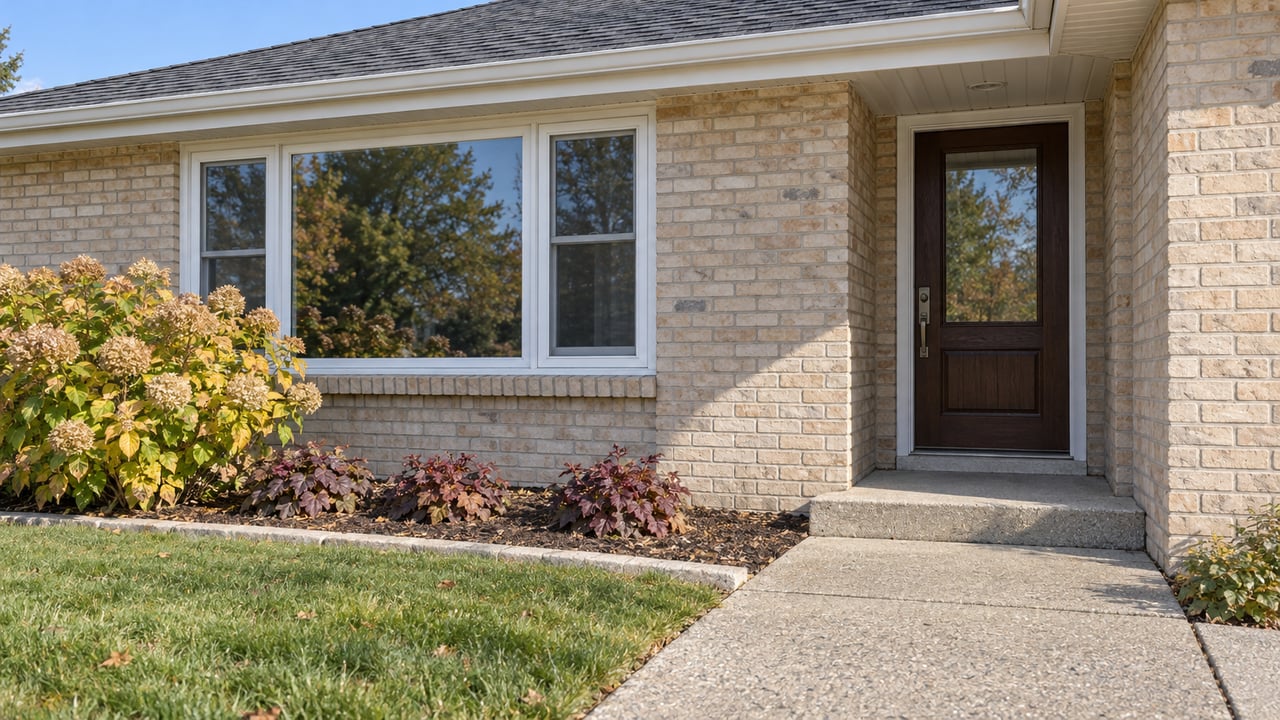
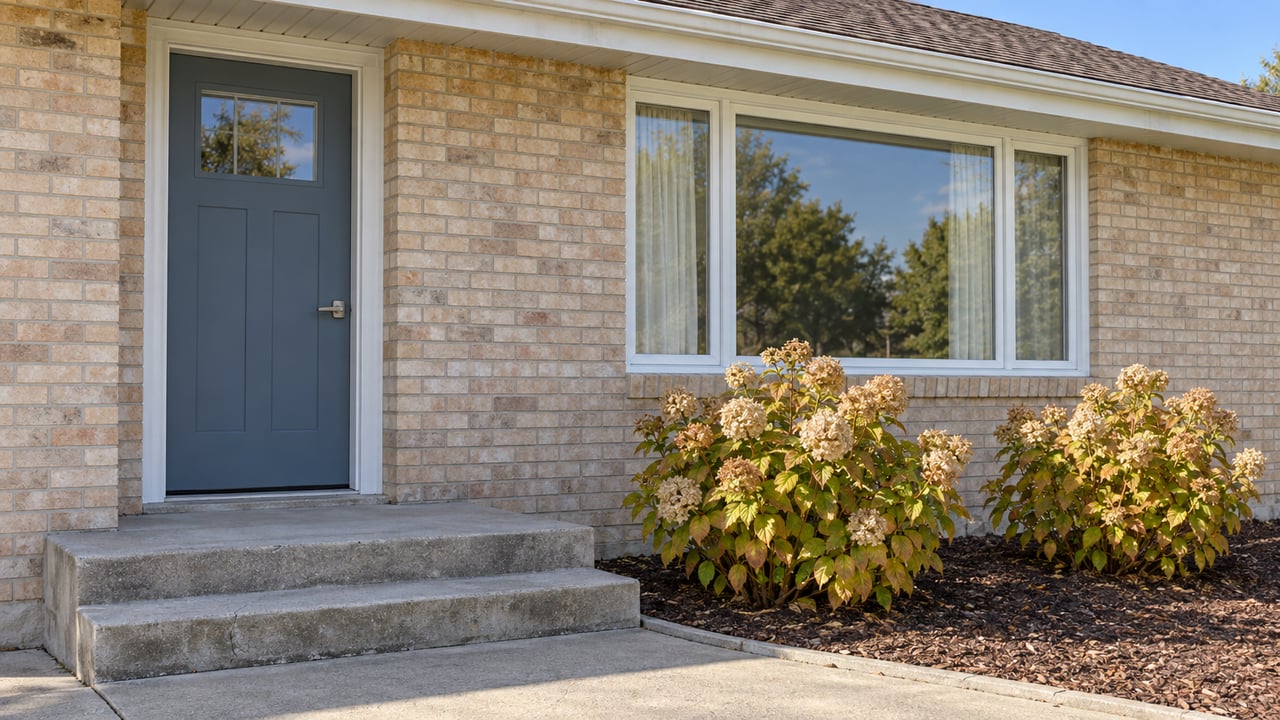
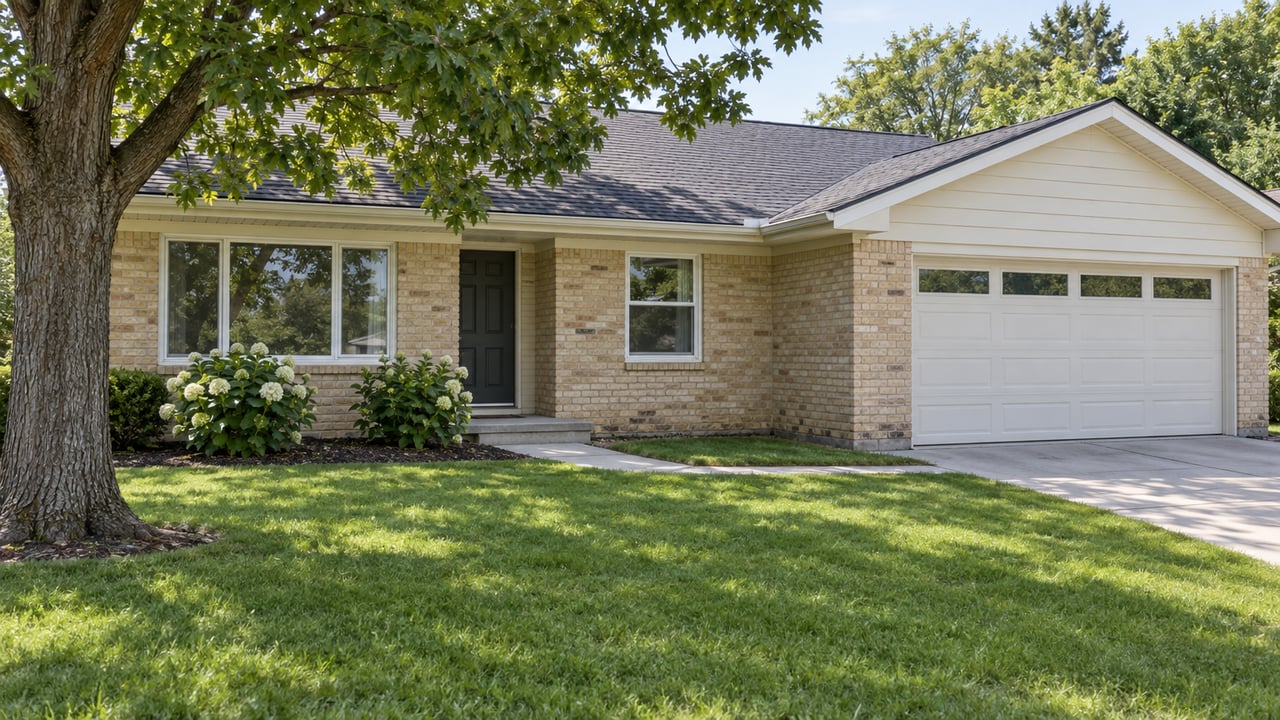
Germantown has about 8,582 housing units with a high owner-occupancy rate near 76%. Only about 33% of village land is developed for urban uses, and roughly 35% remains agricultural, which supports more options for larger lots and a semi-rural feel. Most developed residential land is single-family. Expect many homes from the 1990s–2000s, classic ranches and colonials, and some older farmhouses. The village’s planning report notes a more limited multifamily supply, so detached homes dominate. Village housing report, 2025
Menomonee Falls: mix of ages and styles
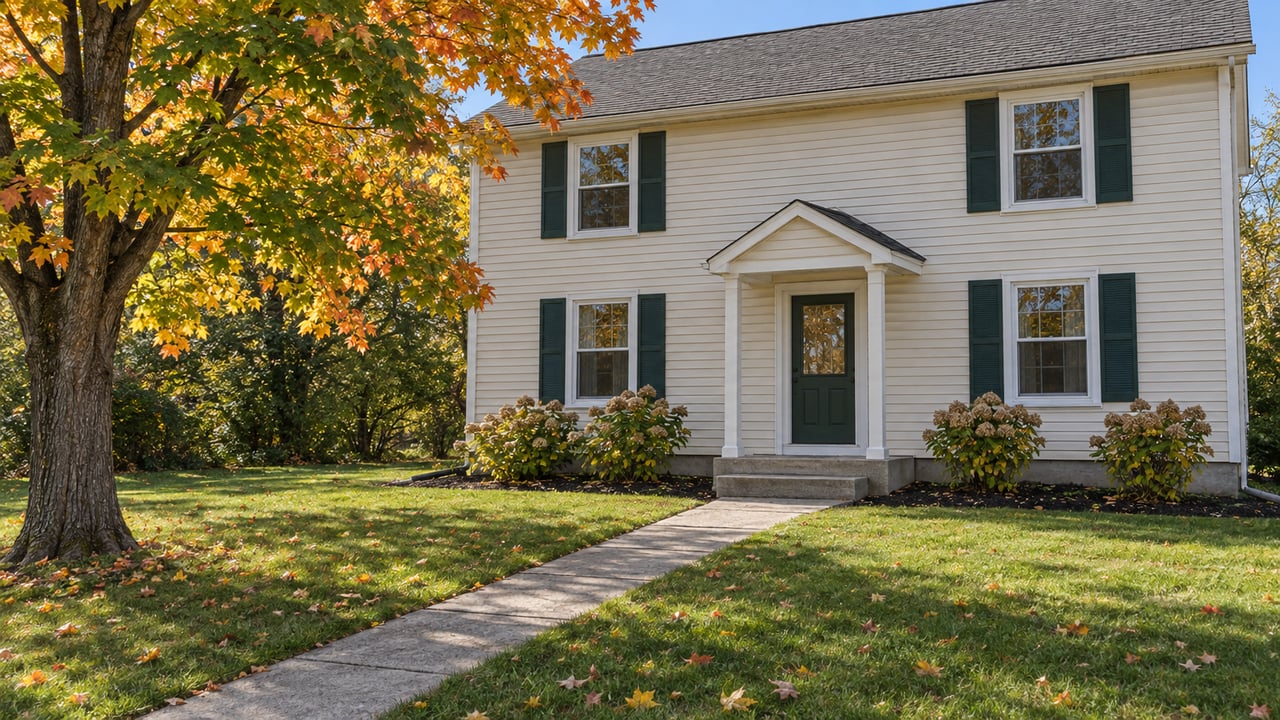
Menomonee Falls is larger, with about 18,400 housing units and owner-occupancy around 72%. You will find older small-lot neighborhoods near the Village Centre, post-war ranch and colonial stock, newer subdivisions, and a noticeable share of townhomes and apartments near retail corridors. The village also hosts multiple business and industrial parks and a denser commercial pattern, which supports a more built-out suburban feel and a wider range of housing choices. SEWRPC village profile, 2024
Lot and neighborhood character
Germantown: larger lots and open views
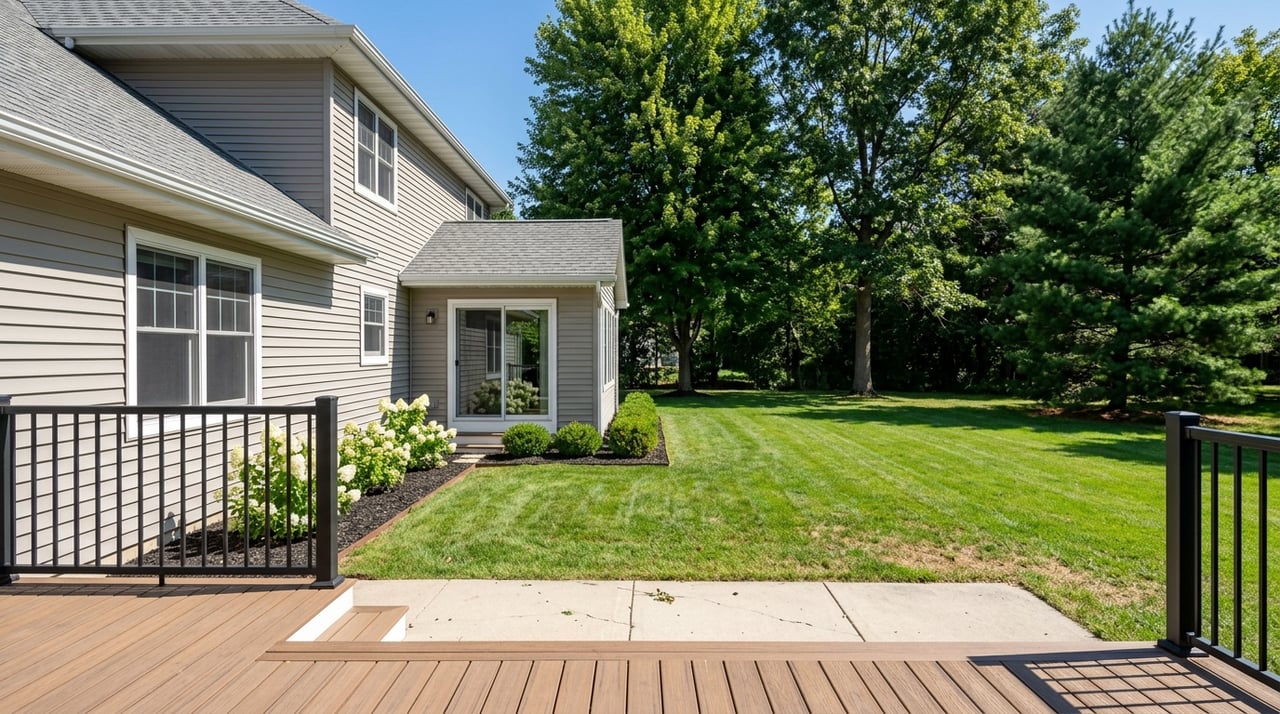
With about 67% of the village still undeveloped overall and about 35% in agricultural use, Germantown’s neighborhood pattern comes in clusters of subdivisions surrounded by open space rather than continuous dense streets. If you value yard space, privacy and a quieter road network, the land use pattern here supports that goal. Village housing report, 2025
Nearby parks add to that feeling of space. Homestead Hollow County Park offers around 105 acres with trails, a dog area, a sledding hill and a pond. The village also owns Wilderness Park at about 200 acres, which serves as a large conservation area. These are strong lifestyle anchors for buyers who want easy access to outdoor recreation. Homestead Hollow County Park
Menomonee Falls: connected streets and village core
Menomonee Falls has more contiguous suburban development and a denser, walkable village center. Many older neighborhoods sit on small to medium lots close to Village Park and downtown services, with newer subdivisions to the east and north. The village’s business and industrial parks bring jobs closer to home and help support retail depth along Appleton Avenue. Expect many lots in the 0.1–0.3 acre range near the center, with larger lots available in outer subdivisions. SEWRPC village profile, 2024
Village Park has been reimagined with improvements that support concerts, markets and community events, and the area connects well to local trails, including the long Bugline Trail. Village Park
Amenities and errands
Menomonee Falls: depth and convenience
Day-to-day errands tend to be easier in Menomonee Falls thanks to a robust retail corridor along Appleton Avenue, multiple grocery options and national chains, and a strong parks system with programmed events. The business park network and corporate employers also contribute to service density and convenience. SEWRPC village profile, 2024
Germantown: quieter commercial footprint
Germantown’s planning documents show a relatively small share of land in commercial use, near 2% of village land. You will find local retail and services, but many residents make short drives to nearby hubs like Menomonee Falls or West Bend for wider choices. In exchange, you get larger lots, quieter roads and quick access to sizable parks and conservation land. Village housing report, 2025
Commute and transportation
Drive times to Milwaukee
If commute time is central to your decision, Menomonee Falls generally has the edge on speed. The regional planning profile lists a typical 22-minute travel time to downtown Milwaukee. SEWRPC village profile, 2024
Germantown’s typical drive is commonly reported around 30–31 minutes, depending on route and traffic. That extra distance northwest adds a few minutes for most commuters. Example drive-time calculator
Transit options
- Germantown: The Washington County Commuter Express offers weekday runs to downtown Milwaukee with park-and-ride boarding near US 41/45. It is a practical alternative if you prefer not to drive every day, but schedules are limited, so check times against your work hours. Washington County Commuter Express
- Menomonee Falls: The village connects to Milwaukee County Transit System routes and on-demand connections noted in regional planning profiles. Many residents pair short drives with county transit for the final leg into Milwaukee. SEWRPC village profile, 2024
Practical price brackets to start your search
These brackets reflect early 2026 listing snapshots and municipal context. Local micro-neighborhoods, updates and lot sizes will move you up or down.
Menomonee Falls
- Entry or starter single-family: about $325,000–$450,000.
- Mid-range family homes: about $450,000–$650,000.
- Upper tier, new construction or larger lots: $650,000+.
Germantown
- Entry or starter: about $300,000–$425,000 (supply is more limited).
- Mid-range single-family: about $425,000–$600,000.
- Upper tier, larger lots or acreage: $600,000+.
Tip: When you compare homes, look closely at lot size, yard usability and subdivision age. A half-acre in Germantown will not price the same as a quarter-acre near the Village Centre in Menomonee Falls, even if interior square footage is similar.
Which is the better fit for you?
Choose Germantown if you want larger lots, a quieter setting and quick access to big parks and conservation areas. The village’s land use pattern supports yard space and semi-rural views, with single-family homes as the primary option. Village housing report, 2025
Choose Menomonee Falls if you want shorter, more predictable commutes, walkable pockets near a lively village center and stronger on-your-doorstep retail and services. The housing mix is wider, from older small-lot homes to newer subdivisions and townhomes. SEWRPC village profile, 2024
How to make the decision in a weekend
Use this quick checklist to compare both villages side by side:
- Map your daily routes. Test-drive your morning and evening commute from two shortlists, one in each village.
- Walk a park nearby. In Germantown, visit Homestead Hollow. In Menomonee Falls, tour Village Park and the Village Centre.
- Check lot lines and setbacks. Decide how much yard you truly need and how you plan to use it.
- Compare noise and traffic. Drive the main arteries you would use for errands at peak times.
- Align budget to bracket. Pick a realistic price band and preview two to three live listings in that range.
When you are ready, a local agent can refine your shortlist by neighborhood-level nuances like street patterns, subdivision covenants, upcoming infrastructure and realistic pricing for your lot size and finishes.
Ready to tour or get current numbers?
Market conditions move quickly in spring 2026. If you want up-to-date listing and sale medians, a private tour lineup, or a pricing strategy for your sale, connect with Craig Kasten for a no-pressure consult. As a Washington County expert with hands-on experience in single-family, land and small commercial, Craig will help you compare neighborhoods, negotiate smartly and move with confidence.
FAQs
What are current asking prices in Germantown vs Menomonee Falls (early 2026)?
- As of January 2026, Germantown’s median listing is about $439,000 and Menomonee Falls is about $540,000, which reflects where sellers are pricing homes now.
How do commute times compare to downtown Milwaukee?
- Menomonee Falls typically runs about 22 minutes to downtown per regional planning estimates, while Germantown is commonly around 30–31 minutes based on drive-time calculators.
Where will I find larger lots and more open space?
- Germantown maintains significant agricultural and undeveloped land, which supports larger lots and a semi-rural neighborhood feel in many areas.
Which village has more immediate access to shopping and dining?
- Menomonee Falls offers deeper retail and grocery options along Appleton Avenue and a walkable Village Centre, so errands tend to be faster and closer.
What housing types dominate in each village?
- Germantown primarily features single-family detached homes with limited multifamily inventory, while Menomonee Falls has a wider mix including small-lot older homes, newer subdivisions and some townhomes/apartments.
Are there strong parks and trails in both places?
- Yes. Germantown has Homestead Hollow and Wilderness Park for a larger open-space feel, while Menomonee Falls features the upgraded Village Park and access to longer multi-use trails like the Bugline.