Thinking about putting down roots in Germantown, WI? You want room to breathe, reliable commute options into Milwaukee, and a neighborhood that fits your lifestyle. In this guide, you will learn where the major neighborhoods sit, what home and lot types are common, how prices are trending, and what daily life feels like. Let’s dive in.
Where Germantown sits on the map
Germantown is in Washington County, roughly 23 miles from downtown Milwaukee. Under typical conditions, the drive is about 31 minutes, with quick access to US‑41/US‑45 and WIS‑145. You can confirm the Milwaukee commute distance with this simple reference on driving distance and time from Germantown to downtown Milwaukee using a mapping calculator like Travelmath’s drive distance page for Germantown to Milwaukee (about 23 miles and ~31 minutes) (source).
Germantown is primarily car oriented. Washington County also operates a commuter motorcoach and shared‑ride taxi services, with a Germantown park‑and‑ride near Lannon Road. If you need a weekday coach option into the metro area, review the county’s service directory for the Washington County Commuter Express and shared‑ride details (source).
Neighborhood snapshot
Germantown blends a historic village core with established subdivisions, newer planned communities, and rural acreage. The Village’s comprehensive plan lists official neighborhood and district names, such as Sunberry‑Tree Tops, Spassland, Alt Bauer, Kinderberg, Friedenfeld, Woodland Ponds‑Harvest Hill, Wrenwood, Isabelle Farms, and Rockfield, plus districts like Village Center, County Line Road District, Freistadt District, and Willow Creek Business Park. For naming and long‑term land use guidance, use the Village comprehensive plan as the authoritative source (official plan).
Historic core: Dheinsville
Dheinsville is Germantown’s early crossroads settlement with restored half‑timber buildings and the Bast Bell Museum. It offers historic character and smaller village lots near local events. Get a feel for the setting at Dheinsville Historic Park and the Bast Bell Museum (park overview).
Established subdivisions
You will find many late‑20th‑century subdivisions with ranch, split‑level, and two‑story homes on modest lots. Sidewalks, neighborhood parks, and practical layouts are common. The comprehensive plan describes these areas with “Traditional Neighborhood” and “Suburban Subdivision” character, which helps when you compare different pockets of the village (official plan).
Newer planned communities
Recent growth focuses on planned developments and infill. Wrenwood and Sutton Farm are examples with approved planned‑development districts and phased buildout that include single‑family and some multi‑family homes. For the latest phase maps and status, check the Village’s Approved Projects page (current approvals).
Rural and acreage pockets
If you want privacy or space for outbuildings, look at rural areas outside the sewer service area. Parcels often start around 0.5 acre and can run to multiple acres. The comprehensive plan explains the rural preservation framework and how “estate‑type” lots differ from village lots (official plan).
Home types and lot sizes
Common home styles
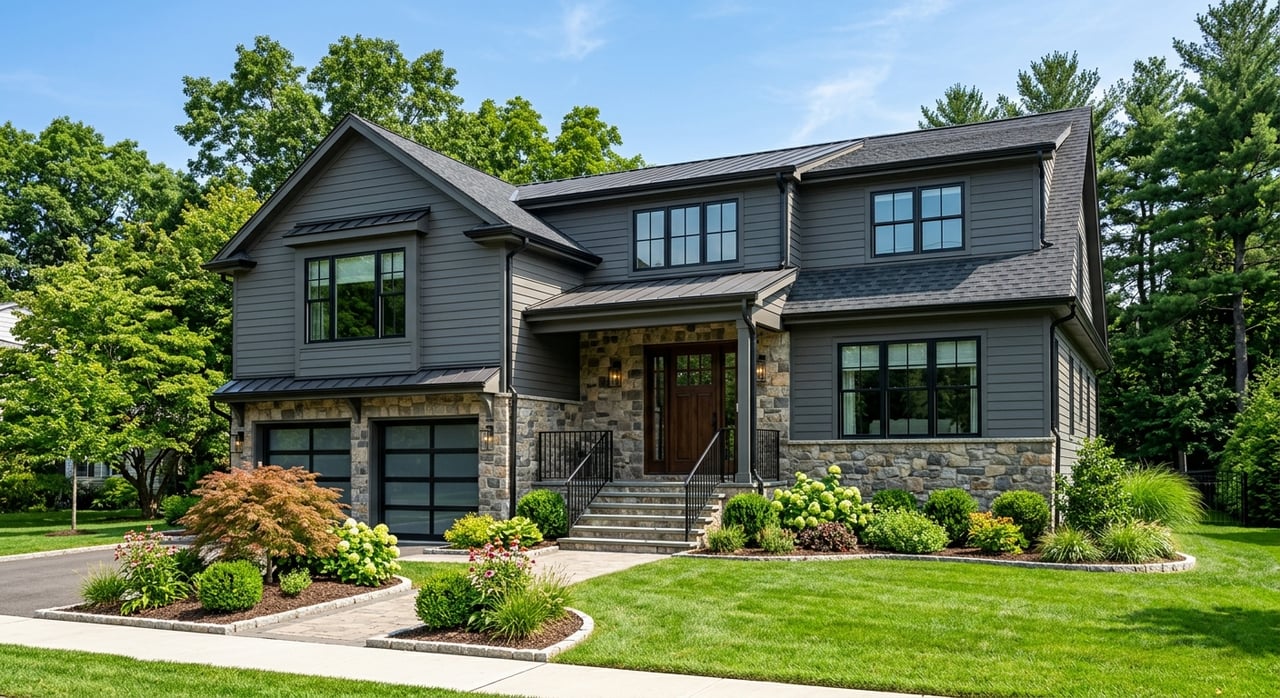
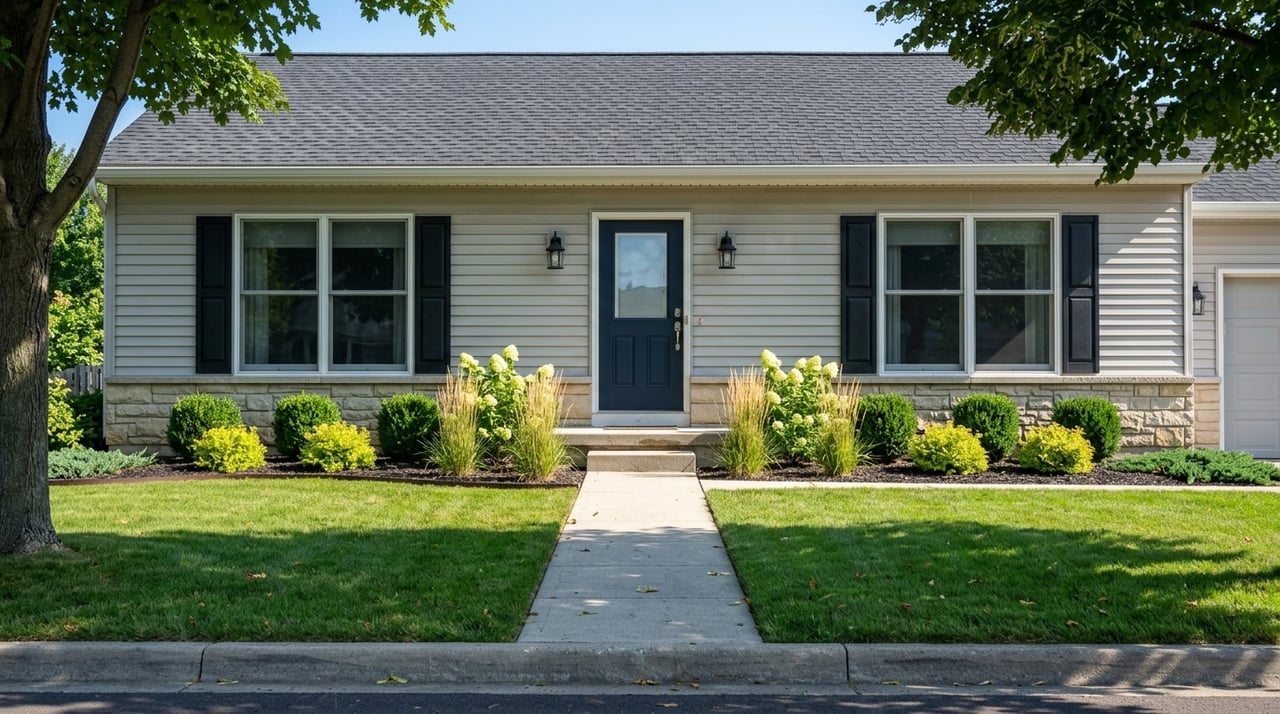
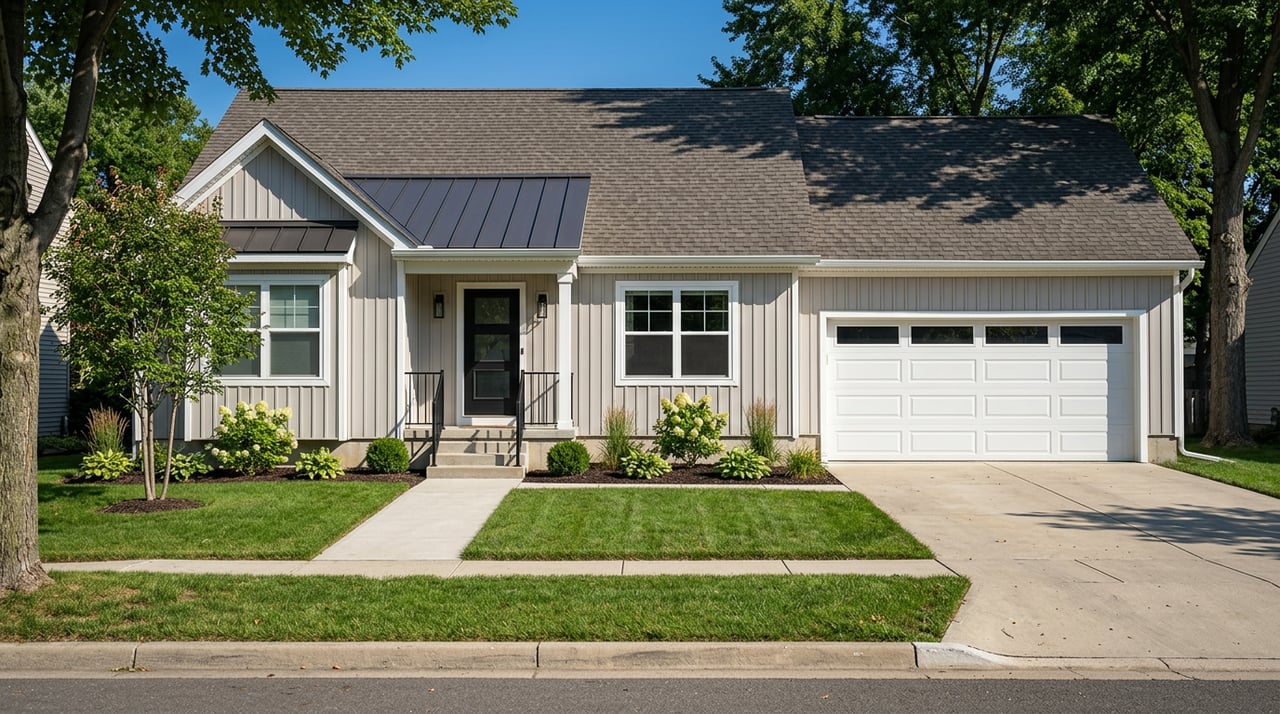
You will see ranches, split‑levels, traditional two‑story colonials, bungalows or cape cods, and modern new‑construction plans with open layouts. New builds in planned communities tend to offer contemporary features, flexible bedrooms, and attached garages. Established areas lean toward classic Midwest styles and mature trees.
Lot size guide
- Village and older neighborhoods: smaller “village‑type” lots, often under 0.25 acre.
- Suburban subdivisions: roughly 0.15 to 0.5 acre lots are typical for single‑family homes.
- Estate and rural parcels: 0.5 acre to several acres, including hobby‑farm potential in some locations.
Note: Lot minimums vary by subdivision and zoning. Always confirm the plat, zoning district, and any HOA rules for exact dimensions and setbacks (official plan).
What homes cost now
As of late 2025 through early 2026, median and listing values in Germantown were in the low‑to‑mid $400,000s. Different data vendors may report slightly different medians based on month and method, and smaller monthly samples can swing results. Use this range to frame expectations, then review current MLS data and recent comparable sales for a precise pricing strategy.
For an up‑to‑date read on today’s market, it helps to look at neighborhood‑level comps, new‑construction premiums, and any seller concessions showing up in recent closings.
Parks, recreation, and events
Germantown Park & Recreation manages a strong park system and seasonal programming. Favorites include Firemen’s Park for community events, Kinderberg Park with a sprayground and sledding hill, Friedenfeld Park with sports fields, and the larger natural setting at Schoen Laufen Park. You can explore park locations, amenities, and the seasonal rec guide through the Village’s Parks & Facilities hub (Parks & Facilities).
Dheinsville Historic Park hosts heritage programming and the Bast Bell Museum, which displays thousands of bells and seasonal events. It is also home to an annual Oktoberfest that draws the community together (Dheinsville overview).
Shopping and services
Day‑to‑day errands are simple with retail anchored near Appleton Avenue and County Line Road. A Walmart Supercenter and nearby grocers and services cover essentials (store details). Specialty shopping and larger mall destinations are a short drive in nearby Menomonee Falls and Brookfield. Village planning districts like Village Center, County Line Road District, and Freistadt District help guide where commercial uses concentrate over time (official plan).
Schools and civic resources
Germantown School District serves local K–12 students, including Germantown High School. Because program offerings and boundaries can change, always verify the latest with the district and school sites (see the high school’s overview page for a starting point) (GHS overview).
For learning and community events, the Germantown Community Library and Park & Rec programs offer year‑round activities. The Village also hosts recurring celebrations, including the Fourth of July in Firemen’s Park and Oktoberfest at Dheinsville (Parks & Facilities).
Who Germantown fits
- Buyers who want suburban neighborhoods with parks, fields, and community events nearby.
- Shoppers looking for newer single‑family homes with modern floorplans in planned developments like Wrenwood or Sutton Farm (verify phase and availability on the Village approvals page) (Approved Projects).
- Those who want rural acreage, room for outbuildings, or a more private setting.
- Commuters comfortable with a car‑first setup, with a Washington County coach option for weekday trips.
How to evaluate a Germantown home
- Confirm lot size, zoning, and any HOA or architectural guidelines for the subdivision.
- Check whether the home is on municipal sewer and water or private well and septic.
- Review neighborhood comps within the last 3 to 6 months and note any seller concessions.
- If you want new construction, verify current phases, build timelines, and builder specs on the Village’s Approved Projects page (Approved Projects).
- Map your daily routes: commute to work, school drop‑offs, parks, and retail.
- Walk the nearest park or trail to get a clear feel for noise, traffic, and activity at different times of day.
When you are ready to compare neighborhoods, weigh trade‑offs like lot size, age of home, HOA rules, and commute time. A targeted plan will help you move quickly when the right listing hits the market.
If you want a clear pricing strategy, on‑the‑ground neighborhood advice, or help sourcing new construction or land, connect with Craig Kasten for a no‑pressure conversation and a Free Home Valuation & Consultation.
FAQs
How long is the commute from Germantown to downtown Milwaukee?
- Typical conditions put the drive at about 31 minutes over roughly 23 miles. Actual times vary with traffic and time of day (reference).
What are the main neighborhood types in Germantown?
- You will find a historic village core around Dheinsville, established late‑century subdivisions, newer planned communities like Wrenwood and Sutton Farm, and rural acreage pockets outside the sewer service area (official plan).
What lot sizes can I expect when buying in Germantown?
- Village lots often run under 0.25 acre, suburban subdivisions are commonly around 0.15 to 0.5 acre, and estate or rural parcels range from 0.5 acre to several acres. Always verify the specific plat and zoning.
Is there public transit service in Germantown?
- Germantown is car oriented, but Washington County offers a commuter motorcoach and shared‑ride taxi, including a Germantown park‑and‑ride. Schedules can change, so check the county directory (service info).
What do homes cost in Germantown right now?
- As of late 2025 to early 2026, median and listing values were in the low‑to‑mid $400,000s. Month‑to‑month and data source differences can move the number, so review current comps.
Where can I find parks and family activities in Germantown?
- Start with the Village’s Parks & Facilities page for park maps, amenities, and seasonal programming. Highlights include Firemen’s Park, Kinderberg Park, and heritage events at Dheinsville (parks overview).