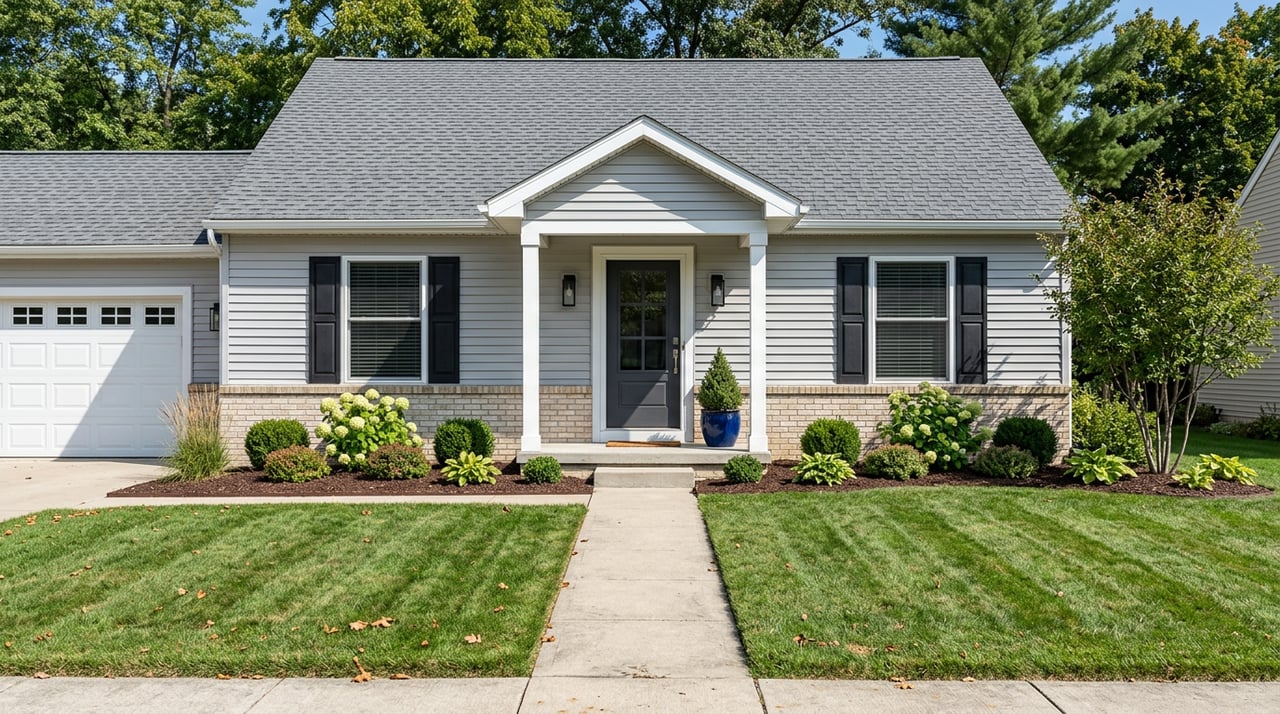
Thinking about selling in Menomonee Falls but worried buyers will choose a shiny new build down the road? You’re not alone. With builders marketing move‑in‑ready homes and attractive financing incentives, it can feel tough to stand out. The good news is you can win buyers’ attention with smart prep, targeted upgrades, sharp pricing, and pro marketing. This guide shows you exactly how to compete and sell with confidence. Let’s dive in.
Menomonee Falls market snapshot
Before you price or plan, know what buyers see. As of January 2026, Redfin reports a median sale price around $391,500 with a median 73 days on market for Menomonee Falls closed sales. You can review the latest details on the Redfin market page for Menomonee Falls (source).
On the listing side, Realtor.com shows a median list price near $540,000 and a median 66 days on market for active listings, which often run higher than closed sales because they reflect asking prices and current inventory (source). Different sites use different methods. When it is time to set your price, lean on recent neighborhood comps from the MLS.
What new construction offers buyers
Features today’s buyers want
Builders highlight energy efficiency, low‑maintenance finishes, and convenient layouts because that is what shoppers ask for. National research points to popular features like laundry rooms, patios and outdoor living, Energy Star windows and appliances, garage storage, hard‑surface flooring, walk‑in pantries, smart thermostats, video doorbells, open layouts, quartz counters, and functional mudrooms. You can see these trends in the NAHB’s 2024 design insights (source).
Local price anchors from builders
In Menomonee Falls, several communities set buyer expectations on price and finishes:
- Fox River Falls by Tim O’Brien Homes, advertised from the upper $600s (community page).
- Tamarind by Stepping Stone Homes, with home and lot packages starting in the mid‑$500,000s (community page).
The Village continues to invest in amenities and neighborhood infrastructure, including Aero Park and related phases, which supports ongoing new development activity in parts of Menomonee Falls (project info).
What this means for you: buyers will compare your home’s price and features to these options. Your job is to highlight the strengths of your property and close any gaps that matter most to your target buyer.
How your resale can win
New builds are appealing, but your existing home can offer advantages buyers cannot get from a base model:
- Mature trees and landscaping that would take years to grow.
- Larger or more private lots in established neighborhoods.
- Finished basements, built‑ins, or storage the builder would charge extra to add.
- Immediate availability without construction timelines.
- Recent mechanical updates that keep short‑term maintenance low.
Pair these benefits with the right price and presentation, and you can stack up well against nearby model homes.
Upgrade priorities with the best ROI
Aim for visible, high‑impact projects that show well online and in person. National Cost vs Value data consistently finds that curb appeal and minor refreshes outperform big, expensive additions on percentage of cost recouped (source). Consider these moves:
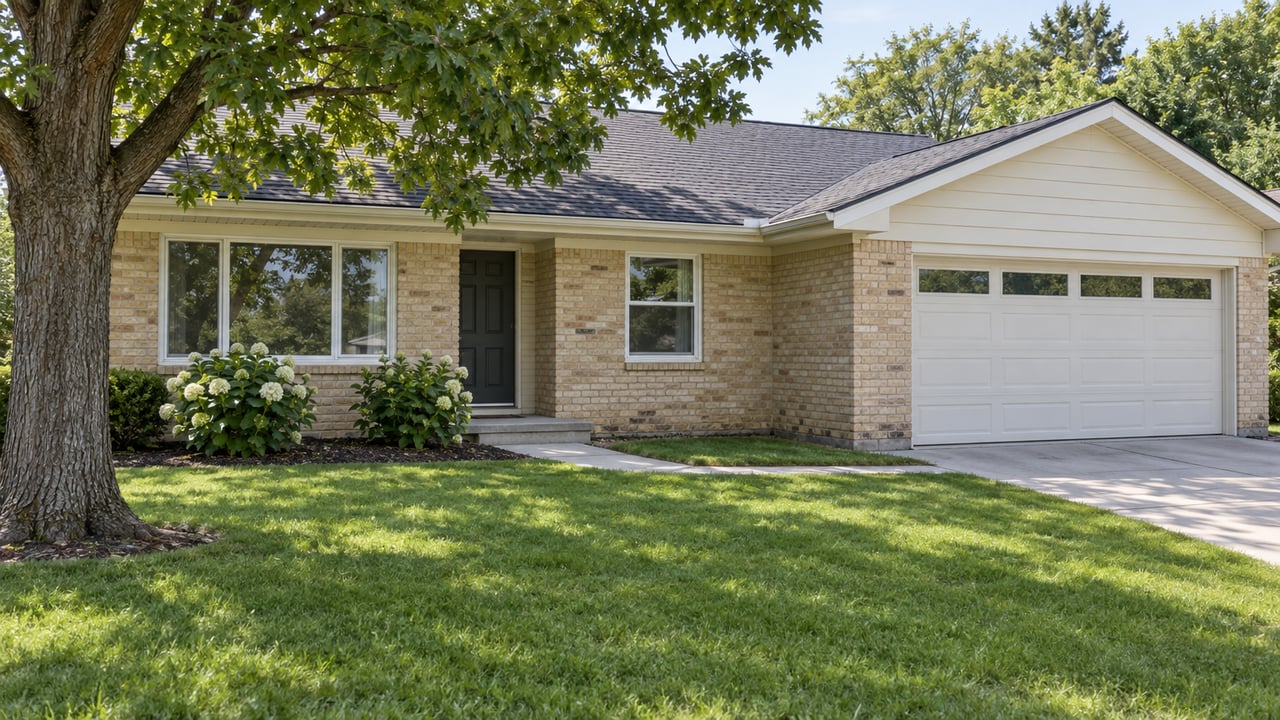
- Replace the garage door. This ranks among the top projects for cost recouped and instantly boosts curb appeal.
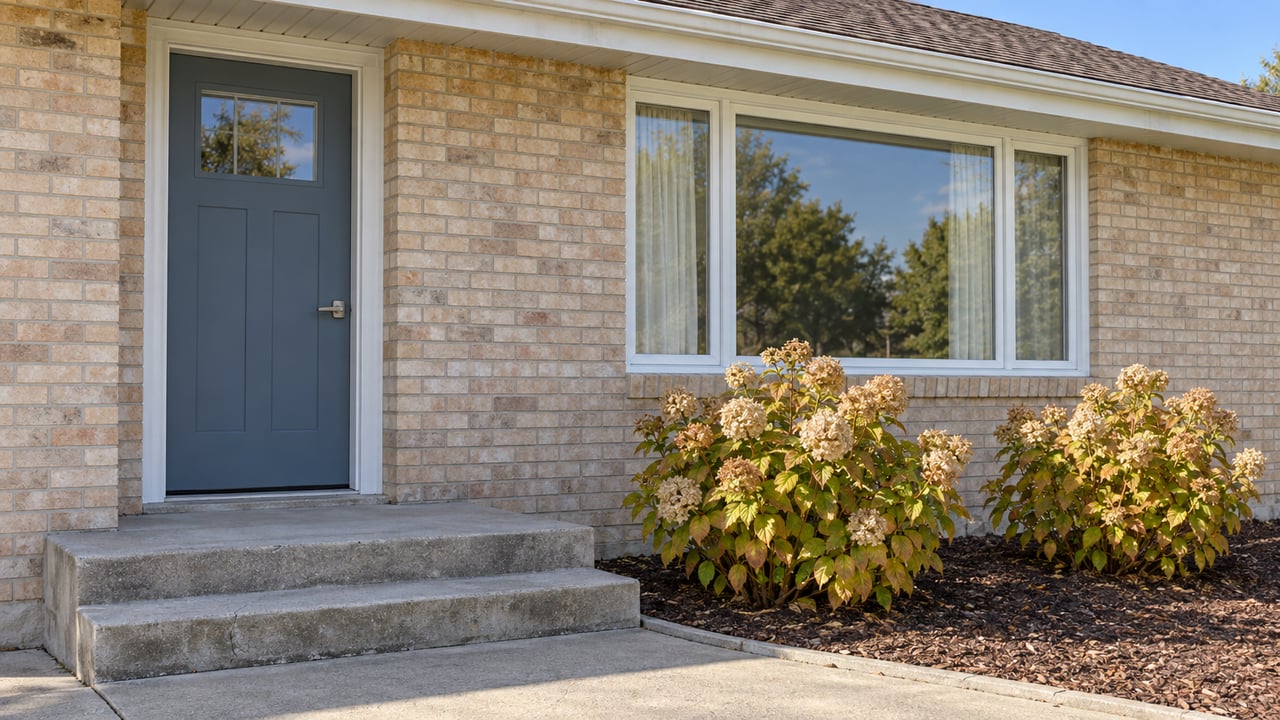
- Update the front entry. A new steel door, fresh hardware, and clean lighting create a strong first impression.
- Do a minor kitchen refresh. Focus on paint or refacing, quartz or engineered‑stone counters, updated lighting and hardware. Skip full reconfigurations unless your comps support it.
- Improve siding and accents. New vinyl or fiber‑cement siding or a small dose of manufactured stone can make an exterior feel newer.
- Address high‑concern items. If your HVAC, water heater, roof, or windows are at the end of their life, consider replacement or be ready to offer a credit.
Tip: Avoid over‑improving. Large primary suite additions and upscale gut remodels usually recoup a smaller share of their cost. Stay aligned with your neighborhood’s price ceiling.
Quick prep that changes buyer perception
You can shift how buyers feel about your home in a week or two with focused, affordable work:
- Paint interior walls in a light, neutral palette to brighten rooms and broaden appeal.
- Deep clean, declutter, and remove overly personal items to help buyers imagine living there.
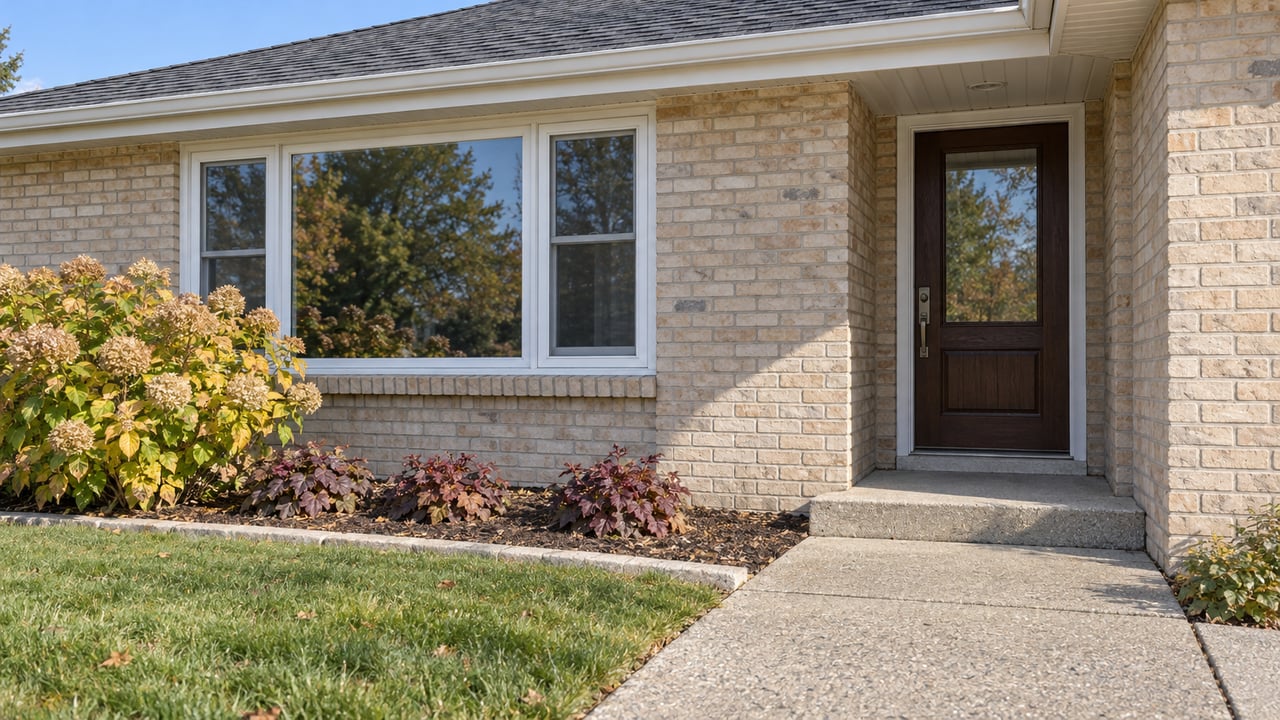
- Boost curb appeal with mulch, trimmed shrubs, edged beds, and a freshly painted front door.
These simple steps shorten time on market and can support stronger offers. NAR’s staging reports and industry research consistently back the value of clean, neutral, and uncluttered spaces (source).
Staging and online presentation that sell
You are competing with builder marketing, so presentation is non‑negotiable.
- Stage the right rooms. NAR’s 2025 Profile of Home Staging found about 29 percent of listing agents reported a 1 to 10 percent increase in offer price due to staging, and nearly half saw reduced time on market (source). Prioritize the living area, kitchen, primary bedroom, and key flex spaces.
- Hire a pro photographer. Listings with professional photos draw more views and tend to sell faster, according to Redfin’s study summary (source). Include a clear floor plan and, if possible, a 3D tour to match builder‑grade visuals.
- Consider virtual staging for vacant rooms. Disclose per MLS rules, and balance with a few real, lightly furnished spaces for scale.
Pricing and negotiation to counter incentives
Builders often bundle savings that reduce a buyer’s effective monthly payment. Common examples include closing credits, limited‑time price breaks, or rate buydowns through a preferred lender. These offers can pull buyers toward new construction unless you plan for them. Industry coverage outlines these incentives and how they influence shoppers (source).
Here is how you can respond:
- Price with precision. Use very recent neighborhood comps and adjust for features buyers value most today. Remember, buyers compare your net monthly cost to a builder’s incentive‑adjusted payment.
- Offer targeted concessions. Consider a seller‑paid closing credit, a short‑term rate buydown, a one‑year home warranty, or a modest allowance for buyer‑selected upgrades. Advertise these clearly in your listing and marketing.
- Do a pre‑listing inspection. Share a summary and receipts for recent repairs, or offer a repair credit. Reducing uncertainty brings you closer to the peace of mind buyers expect from new construction.
Three‑phase action timeline
Immediate prep, 1 to 14 days
- Deep clean, declutter, and depersonalize key rooms.
- Touch up paint in neutral tones and repair small items.
- Freshen curb appeal with mulch, trimmed shrubs, a clean entry, and a new welcome mat.
- Book professional photography and add a floor plan. Pro photos deliver more views and faster sales (source).
Typical budget: 0 to 1,500 dollars for DIY staging and supplies, plus 200 to 600 dollars for photography and a floor plan.
Short‑term upgrades, 2 to 8 weeks
- Replace the garage door or front entry door for a curb appeal lift with strong ROI (source).
- Complete a minor kitchen refresh. Focus on visible surfaces and lighting rather than layout changes.
- Update aging mechanicals that could become buyer objections, or plan a clear credit.
Typical budget: 3,000 to 7,000 dollars for doors, 8,000 to 30,000 dollars for a kitchen refresh depending on scope, and 3,000 to 12,000 dollars for select mechanicals.
Larger projects, 6 to 12 plus weeks
- Consider siding upgrades or small stone veneer accents if timing allows and comps support it (source).
- Avoid major additions unless you plan to stay longer or the neighborhood supports a higher price tier.
Typical budget: get local quotes to align cost, timing, and likely resale recovery.
Decision checklist and next steps
Use this quick framework to stay focused:
- Pull hyper‑local comps from the MLS and decide your pricing lane relative to nearby new builds.
- Choose one or two high‑ROI fixes that will show best in photos and at first glance.
- Budget for staging, professional photography, a floor plan, and a 3D tour if possible.
- Prepare buyer‑friendly incentives and a pre‑listing inspection to reduce friction.
If you want a clear, step‑by‑step plan tailored to your home and neighborhood, connect with Craig Kasten for a Free Home Valuation & Consultation. You will get local comps, a prioritized prep list, and a pricing strategy designed to compete with new construction in Menomonee Falls.
FAQs
What is the current Menomonee Falls market and why do prices vary by source?
- Redfin reports median closed prices and days on market while Realtor.com highlights active listing prices, so methods differ and MLS comps should guide final pricing.
Which upgrades deliver the best resale ROI near Menomonee Falls new builds?
- Garage and entry doors, minor kitchen refreshes, siding or small stone accents, and addressing high‑concern systems rank well in Cost vs Value data.
How can I counter builder rate buydowns and closing credits?
- Price accurately and offer targeted concessions like a seller‑paid closing credit, a short‑term rate buydown, or a one‑year home warranty to neutralize incentives.
Do I need professional staging to compete with model homes?
- Full-service staging is not required, but strategic staging of key rooms plus pro photos and a floor plan can lift offers and reduce days on market, per NAR.
Should I complete a pre‑listing inspection for my Menomonee Falls home?
- Yes, a pre‑listing inspection reduces buyer uncertainty and can mirror the confidence buyers feel with new home warranties, which speeds negotiations.
How do local builders’ prices affect my pricing strategy?
- Use builder communities like Fox River Falls and Tamarind as price and feature anchors, then position your home’s advantages and incentives to compete effectively.