Two homes can sell for the same price and still cost their owners different amounts every single month. Property taxes are one part of the monthly cost of owning a home in Germantown, alongside the purchase price.
Germantown carries the highest effective property tax rate of any municipality in Washington County, at 1.25 percent. Cedarburg sits at 0.68 percent. That gap alone can turn two identically priced houses into two very different monthly budgets. The Village Board has also voted to finance two major capital projects.
Germantown's Effective Property Tax Rate
Property tax analysis firm Ownwell puts Germantown's median effective rate at 1.25 percent, translating to a median annual tax bill of $4,475. That's $2,075 above the national median tax bill of $2,400, and it sits well above the Washington County median of $3,285. A separate 2026 analysis from TaxByCounty calculates the county's blended effective rate at 1.20 percent, versus a Wisconsin statewide average of 1.436 percent, on a median assessed home value of $316,200. The two firms don't land on identical county-wide numbers, which is normal given they weight municipalities and assessment years differently, but both agree on the shape of the story: Washington County as a whole taxes below the state average, while Germantown specifically taxes above almost everyone else inside that county.
Here's how the range looks when you line it up:
| Location | Effective Property Tax Rate | Median Annual Tax Bill |
|---|---|---|
| Germantown | 1.25% | $4,475 |
| Washington County (overall) | 1.06% to 1.20% | $3,285 to $3,795 |
| Cedarburg | 0.68% | not listed |
| Waukesha County (overall) | 1.211% | not separately reported |
| Wisconsin statewide | 1.43% to 1.436% | $3,081 |
| National median | 1.02% | $2,400 |
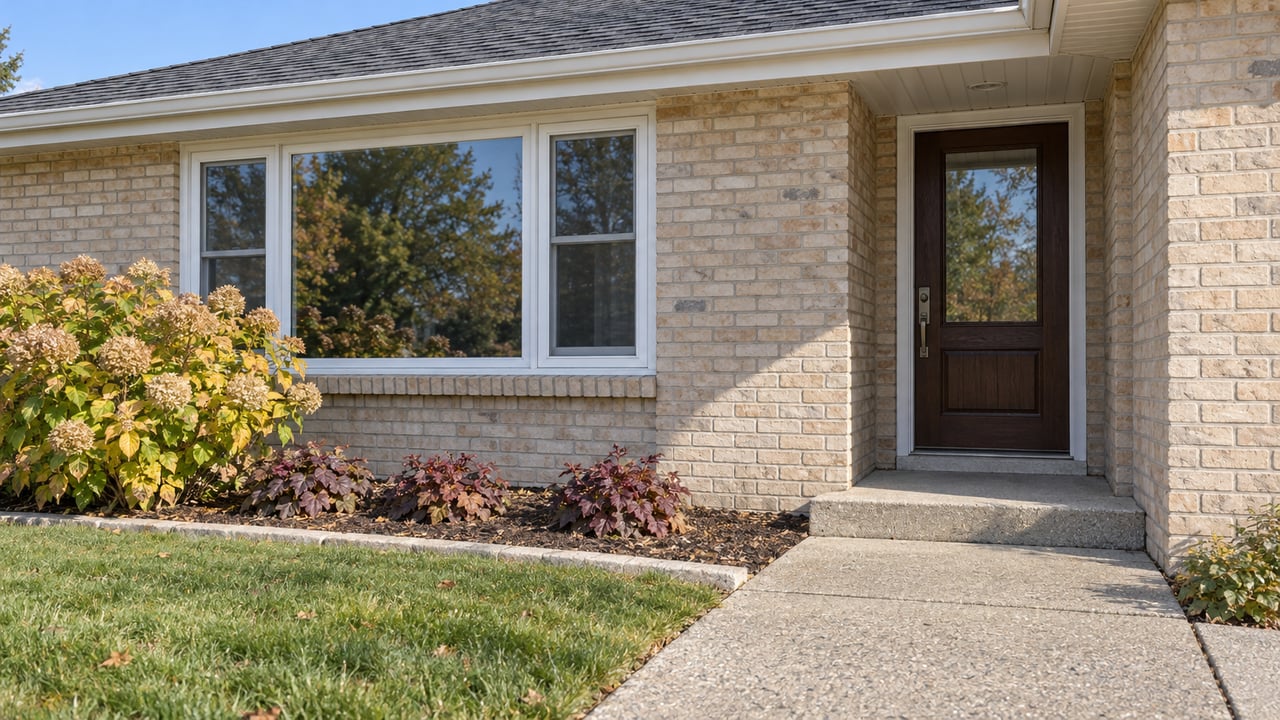
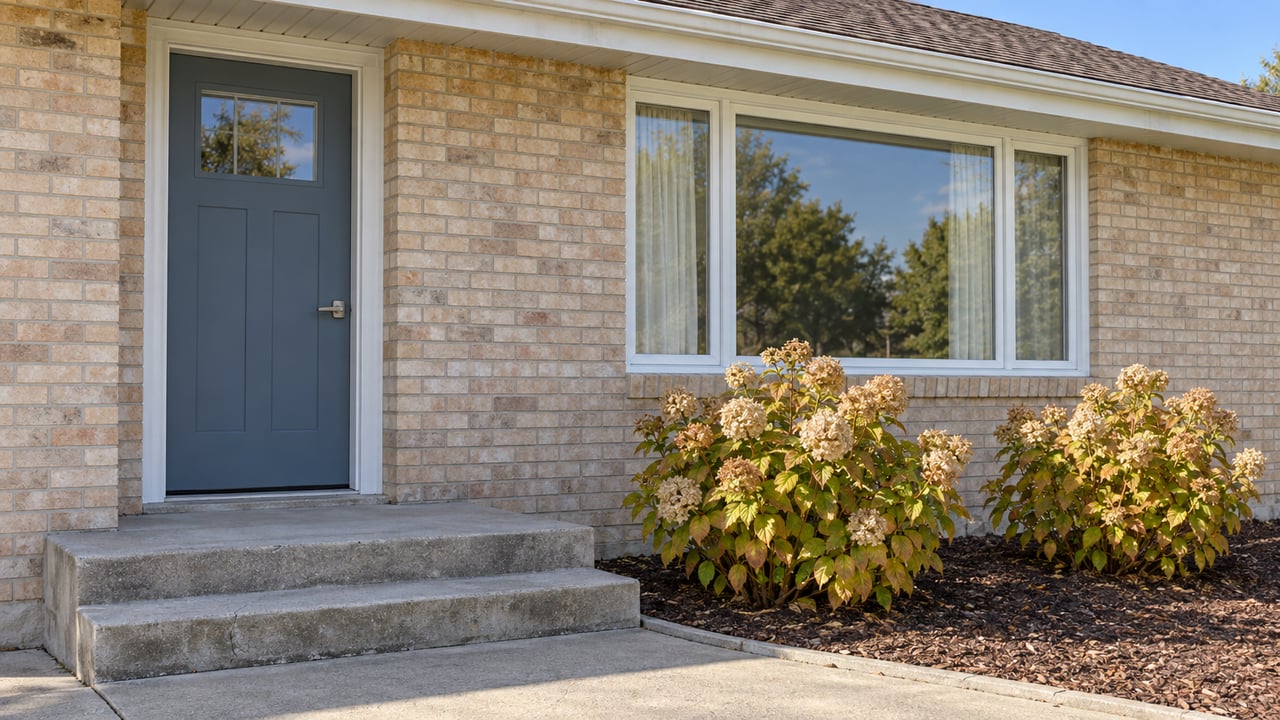
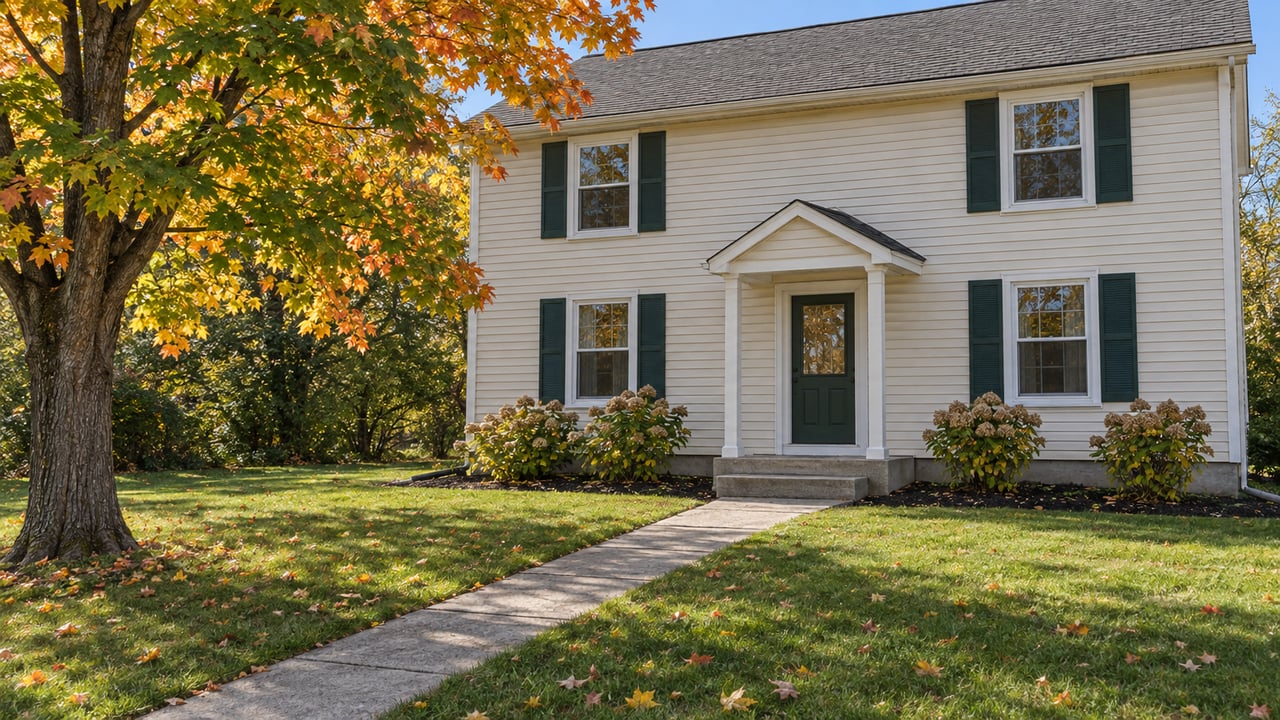
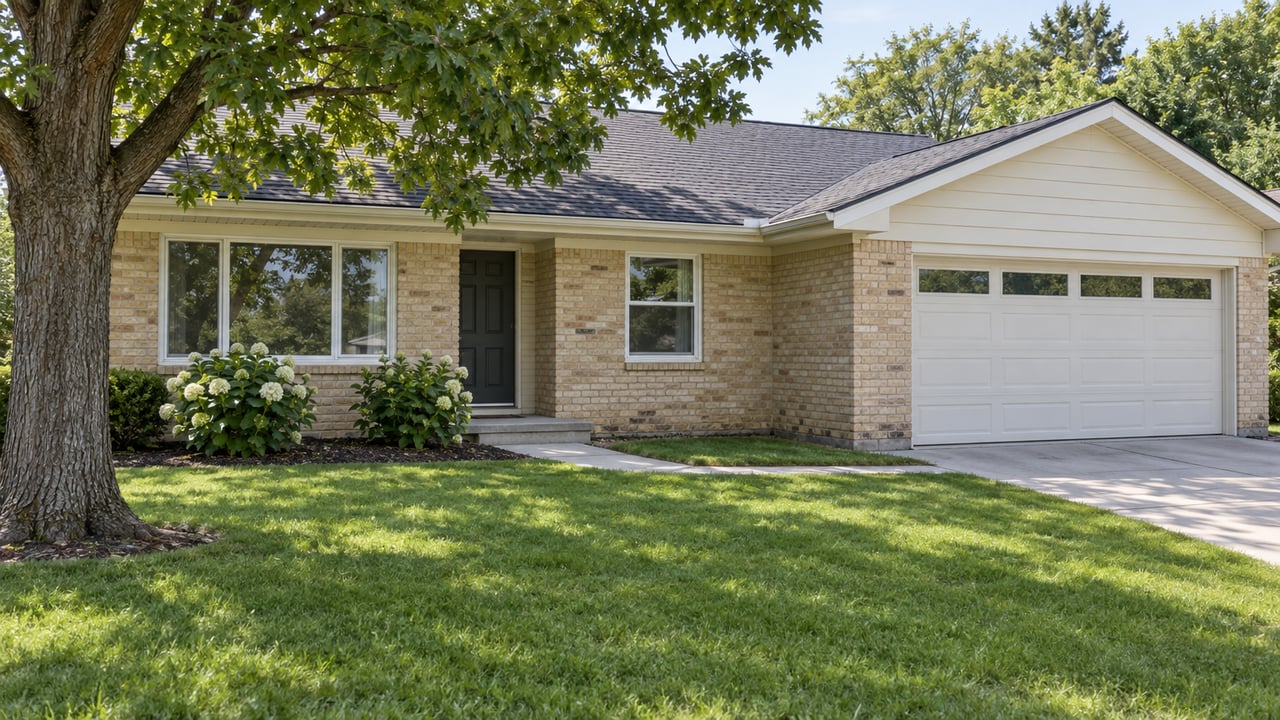
Asking prices and square footage alone do not show property-tax differences. Homes with similar list prices can have different carrying costs.
Germantown's Rate and Recent Budget Decisions
Germantown's effective tax rate is higher than the Washington County rates shown above. The Village Board's recent budget included two major capital projects.
According to a CP.soar.com report, the Village Board adopted its 2026 budget along with the accompanying 2025 property tax levy on November 17, 2025. Finance Director Yousal Domingo presented the numbers behind it: a 3.5 percent increase in general fund revenue, with property taxes now covering 57 percent of that fund, a net new construction allowance of 2.14 percent for 2026, and a median home tax impact of roughly $97 for the year under the combined taxing jurisdictions.
The budget discussion also included two specific capital commitments:
- A $6.5 million renovation and addition to Fire Station No. 2, located at N115W18752 Edison Drive, which moved forward in January 2026 when the Public Safety Committee advanced a design and construction services contract with engineering firm SEH.
- A $3.0 million design placeholder for a new police facility. Trustee Jen Miller moved to cut that figure to $1.5 million during the budget debate. The motion failed, and the full amount stayed in.
Trustee Scott Heffley pushed back during the meeting, warning that leaning on borrowing for these projects wasn't sustainable long term and urging the board to look harder at operational costs instead. The board approved the levy, and both projects were part of the budget discussion.
What $97 Actually Buys, and What It Doesn't Cover
The $97 the board cited is the marginal increase tied to the 2026 budget cycle alone. It rides on top of a bill that was already running roughly $1,190 above the county median before this vote happened. It also isn't the last item in the pipeline. Germantown's public works planning shows the village intends to select an engineering firm in 2026 to design upgrades to key wastewater lift stations, with construction anticipated to begin in 2027, driven by growth in the village and by lifecycle replacement needs on aging infrastructure. None of that is optional maintenance you can defer. It's the kind of capital spending that tends to keep showing up in tax levies for years, not just one.
None of this makes Germantown a bad place to buy. It has functioning capital planning, a fire department expanding its footprint, and infrastructure investment that keeps pace with growth. It does mean property taxes are another factor to include when comparing the cost of ownership.
Comparing Germantown to Its Neighbors
Run the math on an actual house and the gap gets concrete fast. Take a home selling for $415,000, close to the average sale price recently reported for Germantown as of mid-2026. At Germantown's 1.25 percent effective rate, that home carries an annual tax bill of roughly $5,190. Move the identical house a few miles into Cedarburg, where the effective rate runs 0.68 percent, and the bill drops to around $2,820. That's a difference of about $2,370 a year, or close to $200 a month, for a house that would look the same on paper in either town.
If you're also cross-shopping Menomonee Falls, Waukesha County's blended effective rate comes in at 1.211 percent, close to Washington County's overall figure. That's a county-level number, though, not a Menomonee Falls-specific one, and the Germantown example shows exactly why that distinction matters. A county average can sit near the state median while individual towns inside it run well above or below that line. The only way to know where a specific home actually falls is to pull the number for that specific municipality, not the county it sits in.
It's also worth separating two different measurements that get used interchangeably. As of mid-2026, one home value index puts Germantown's typical value at $375,983, up 2.4 percent over the past year. That figure is a smoothed estimate across all homes, occupied or not. Actual median sale prices, based on real closings over the trailing 12 months, have been reported closer to $415,000 to $450,000, with one tally showing a 7 percent year-over-year increase. The gap between the index and the sold-price figures reflects which homes are actually changing hands right now, and it's a reminder that the number you see first on a portal isn't always the number that applies to the house you're bidding on.
How to Check Property Taxes Before You Write an Offer
The Washington County Treasurer's office publishes municipal tax rates by taxing district, which is the most direct way to check what a specific parcel actually owes before you get attached to a house. Germantown's own construction projects page lays out what's currently funded and underway, which is useful context for understanding where levy increases are likely to keep coming from.
Before you write an offer in Germantown, or anywhere else in Washington County, it's worth running the actual carrying cost, not just the mortgage payment, against a few alternatives. That's the kind of comparison that's easy to miss when you're moving fast in a competitive market, and it's exactly the kind of thing Craig Kasten walks through with buyers every week.
If you're weighing Germantown against another Washington County or Waukesha County town and want the real numbers side by side, reach out to Craig Kasten for a Free Home Valuation & Consultation. He'll help you compare list prices and property-tax costs across locations.
A Few Questions Worth Asking
Does a higher tax rate mean Germantown is a worse deal? Not on its own. A higher rate can reflect strong school funding, active infrastructure investment, and a fire department expanding to keep pace with growth. What it does mean is that the total cost of owning there runs higher than the price tag alone suggests, and that's worth factoring into any side-by-side comparison.
What's the difference between a mill rate and an effective tax rate? A mill rate is the statutory rate applied per $1,000 of assessed value, set by each taxing district. An effective rate divides the actual tax bill by the assessor's market value, which accounts for exemptions and assessment differences and tends to give a more accurate picture of what a specific home will really cost to hold.
Will Germantown's rate keep climbing after 2026? The village's own capital planning suggests more spending is already scheduled, including wastewater lift station design work in 2026 with construction expected in 2027. That doesn't guarantee the rate rises again, but it does mean the $97 impact tied to the 2026 budget is unlikely to be the last adjustment homeowners see.
This article is general information, not legal, tax or financial advice. Consult a qualified professional about your situation.